Articles
Data Center Best Practices (8 Top Tech Standards 2026)
Data center best practices are essential for organizations that rely on continuous uptime, secure infrastructure, and precise environmental control. As technology advances in 2026, facility managers must align operations with evolving standards that protect data processing capabilities, networking equipment performance, and overall business continuity. In high growth markets like Lehi, Utah, where mission critical facilities continue expanding, following proven operational standards is no longer optional.
- Operational reliability: Prevent unexpected downtime that disrupts services and critical workloads.
- Energy efficiency: Reduce unnecessary power consumption while improving cooling efficiency.
- Infrastructure resilience: Protect systems against overload, mechanical strain, and equipment failure.
- Cooling optimization: Maintain stable temperature control under high density demand.
Modern data center operations require disciplined planning, structured resource allocation, and integrated management systems that monitor performance in real time. The following standards reflect the top technical expectations shaping 2026.
Why Standards Matter More Than Ever

A data center supports cloud infrastructure, financial systems, healthcare platforms, and enterprise level applications. Even minor disruptions can cause significant operational and financial consequences. According to the Uptime Institute, over 60 percent of data center outages result in losses exceeding $100,000.
As data center design evolves to accommodate higher rack density and increased data processing demand, standards ensure that mechanical, electrical, and environmental systems operate in coordination. Effective resource allocation across cooling, power distribution, and monitoring platforms strengthens operational consistency.
Facilities that lack defined standards often experience reactive maintenance cycles, inconsistent documentation, and increased risk exposure. Clear procedures, structured inspections, and performance tracking improve reliability while supporting long term business continuity planning.
8 Critical Data Center Best Practices For 2026
Implementing these standards improves uptime, strengthens infrastructure resilience, and enhances cooling efficiency across high demand environments.
1. Redundant Power Architecture
Redundant power systems eliminate single points of failure and protect networking equipment and critical computing hardware during outages. Proper redundancy ensures that primary and backup systems work seamlessly when needed.
- N+1 configuration: Maintain backup components capable of supporting full operational load.
- Generator load testing: Confirm emergency systems perform under simulated outage conditions.
- UPS battery verification: Monitor battery health and runtime performance.
- Automatic transfer systems: Ensure uninterrupted transition between power sources.
2. Advanced Cooling Management
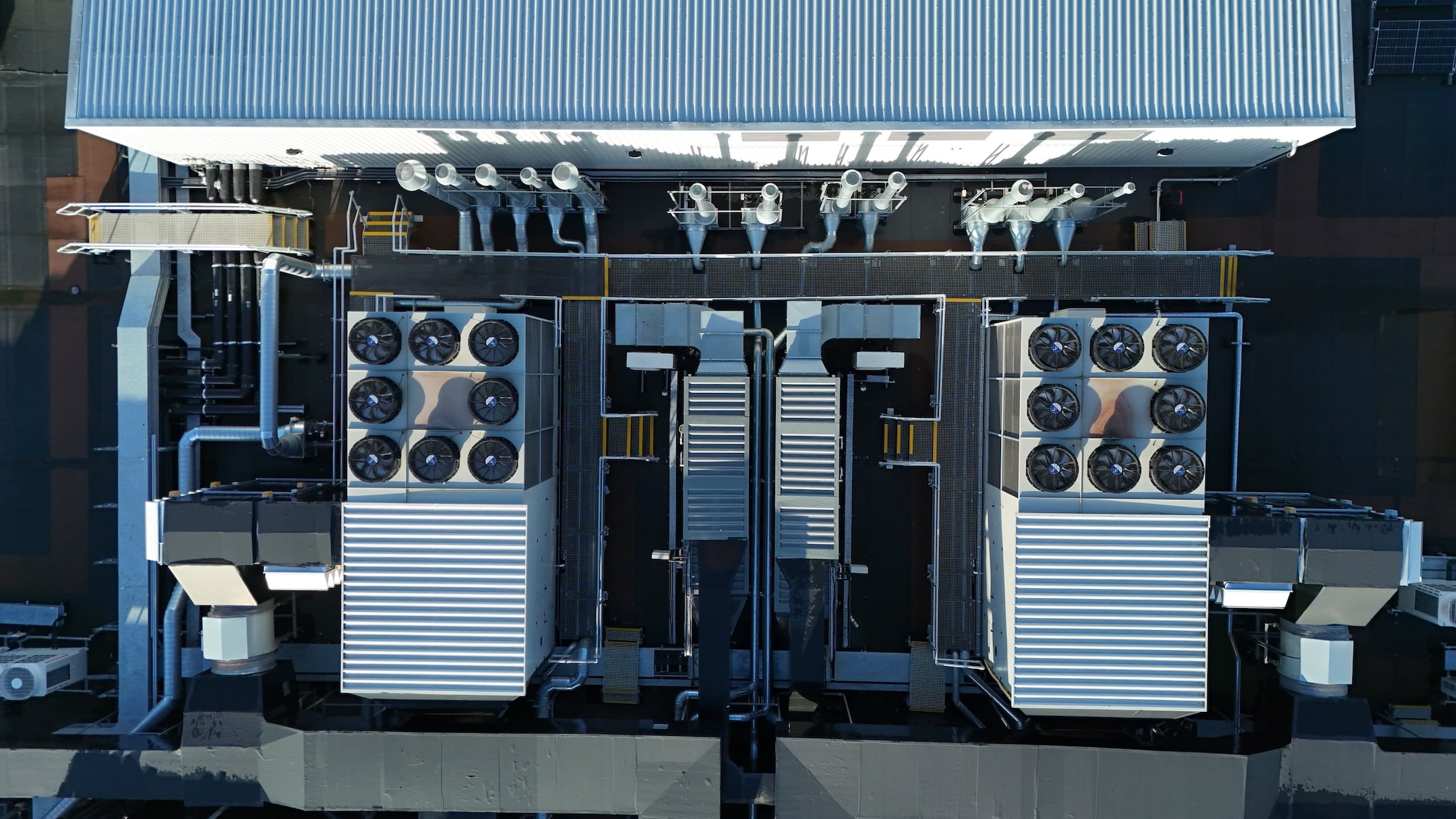
Cooling systems must adapt to rising rack densities and increased heat loads. Effective cooling management protects equipment integrity and extends operational lifespan. A deeper understanding of data center cooling strategies helps facilities select the right approach for their density and climate requirements.
- Hot aisle containment: Separate exhaust heat from intake airflow.
- Variable speed systems: Adjust output based on real time load requirements.
- Thermal sensors: Monitor inlet air temperatures continuously.
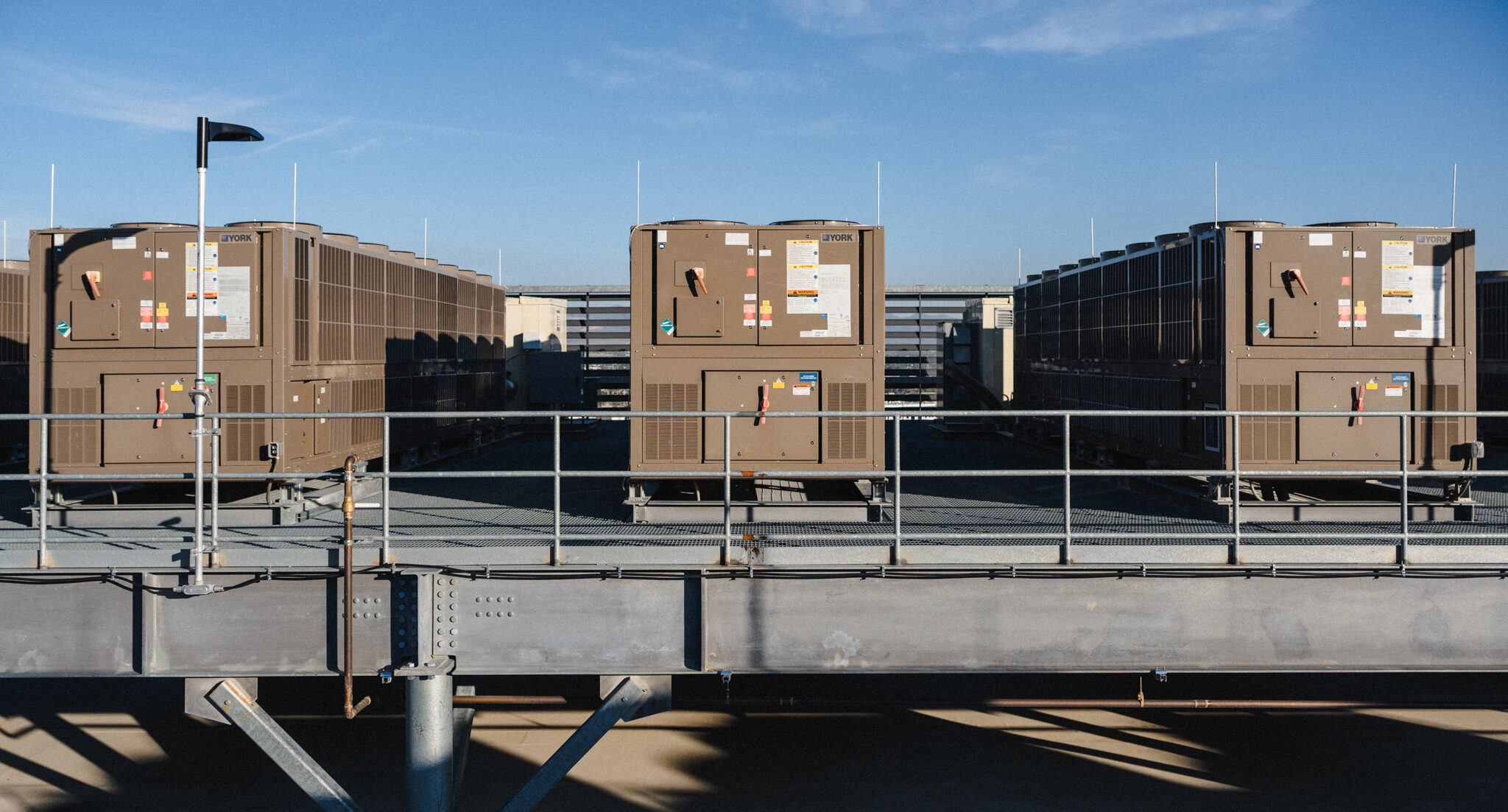
- Chiller optimization: Maintain refrigerant balance and peak system efficiency.
3. Continuous Monitoring Systems
Modern management systems provide real time visibility into performance metrics, enabling proactive intervention before failures occur.
- Power usage effectiveness tracking: Monitor energy consumption patterns.
- Environmental monitoring: Track humidity, airflow, and temperature changes.
- Automated alerts: Notify operators when systems deviate from thresholds.
- Data logging: Preserve historical records for performance analysis.
4. Structured Preventative Maintenance
Preventative maintenance reduces reactive repairs and strengthens long term equipment reliability. Scheduled service aligns with manufacturer guidelines and operational demand. Freedom Mechanical’s preventative maintenance programs are specifically designed to meet the demands of mission-critical mechanical systems.
- Routine inspections: Evaluate mechanical and electrical systems consistently.
- Component replacement planning: Replace wear prone parts proactively.
- Cooling system servicing: Inspect compressors, coils, and pump assemblies.
- Maintenance documentation: Maintain accurate service records for compliance.
5. Documented Incident Response Planning
Clear response procedures reduce downtime during unexpected disruptions. Incident planning protects business continuity and ensures coordinated recovery.
- Escalation procedures: Define roles and responsibilities during outages.
- Communication protocols: Standardize stakeholder notifications.
- Recovery benchmarks: Establish realistic restoration timelines.
- Post incident review: Identify improvement opportunities after events.

6. Security Layering
Physical and digital security protect networking equipment, servers, and sensitive data processing operations from unauthorized access.
- Access controls: Implement biometric or credential based entry systems.
- Surveillance monitoring: Maintain continuous facility oversight.
- Network segmentation: Isolate critical systems from public access.
- Security audits: Conduct regular vulnerability assessments.
7. Energy Efficiency Optimization
Energy efficiency reduces operational costs while improving cooling efficiency and environmental responsibility.
- PUE benchmarking: Compare performance against industry targets.
- Equipment upgrades: Replace outdated hardware with efficient alternatives.
- Airflow balancing: Optimize rack arrangement to reduce thermal strain.
- Lighting controls: Minimize unnecessary energy consumption.
8. Scalability Planning
Scalability ensures that data center design supports future expansion without major disruption. Growth planning aligns infrastructure capacity with evolving business needs.
- Modular infrastructure: Enable phased system expansion.
- Capacity forecasting: Estimate future power and cooling demand.
- Space planning: Reserve floor area for additional equipment.
- Utility coordination: Confirm sufficient electrical and cooling availability.
Cooling Strategy Comparison
Cooling remains one of the most technically demanding elements of a data center environment. Selecting the appropriate strategy impacts long term reliability and energy use.
| Cooling Strategy | Primary Benefit | Consideration |
| Air Cooled Systems | Lower upfront investment | Higher energy demand in hot climates |
| Liquid Cooling | Superior heat removal capacity | Increased system complexity |
| Containment Systems | Improved airflow separation | Requires precise layout design |
Facilities in Lehi, UT face seasonal heat variations that demand thoughtful cooling system design. Proper airflow management, preventative maintenance, and chiller performance monitoring are essential to maintaining stable operating conditions.
We’re proud to serve home and business owners in Lehi, UT, and nearby communities with data center infrastructure support and more.
Long Term Reliability Requires Ongoing Discipline
Best practices are not implemented once and forgotten. Data center design evolves as technology advances and data processing loads increase. Continuous evaluation of power systems, cooling efficiency benchmarks, and management systems ensures that facilities remain prepared for growth.
Structured resource allocation, consistent monitoring, and disciplined maintenance practices strengthen operational resilience and support long term business continuity.
Common Questions About Data Center Best Practices
Understanding how best practices apply to real world facilities helps teams make informed infrastructure decisions. Below are answers to common questions facility managers and operations leaders ask when reviewing data center standards and cooling requirements.
What are the most important data center best practices in 2026?
Key priorities include power redundancy, advanced cooling management, structured preventative maintenance, real time monitoring, and scalability planning. Together, these standards protect uptime and strengthen business continuity.
How often should cooling systems be inspected?
Cooling systems should be evaluated on a preventative maintenance schedule aligned with manufacturer guidance and facility load conditions. High density environments may require more frequent assessments to maintain optimal cooling efficiency.
Why is preventative maintenance critical in a data center?
Preventative maintenance identifies developing mechanical issues before they escalate into system failures. Routine inspections extend equipment lifespan and reduce unexpected downtime.
How does data center design impact long term reliability?
Proper data center design integrates redundancy, airflow planning, monitoring systems, and scalable infrastructure. Strategic planning improves reliability and reduces costly retrofits.

Freedom Mechanical Supports Mission Critical Performance
Freedom Mechanical understands the mechanical demands placed on high performance data center environments. Our team provides commercial cooling services, preventative maintenance support, and chiller expertise for complex facilities.
From optimizing cooling efficiency to supporting infrastructure stability, Freedom Mechanical delivers disciplined service aligned with modern data center best practices. If your facility requires professional evaluation or mechanical support, including chiller rentals in Draper, UT, contact Freedom Mechanical to safeguard uptime and long term performance.