Articles
Data Center Energy Efficiency (7 Optimization Strategies)
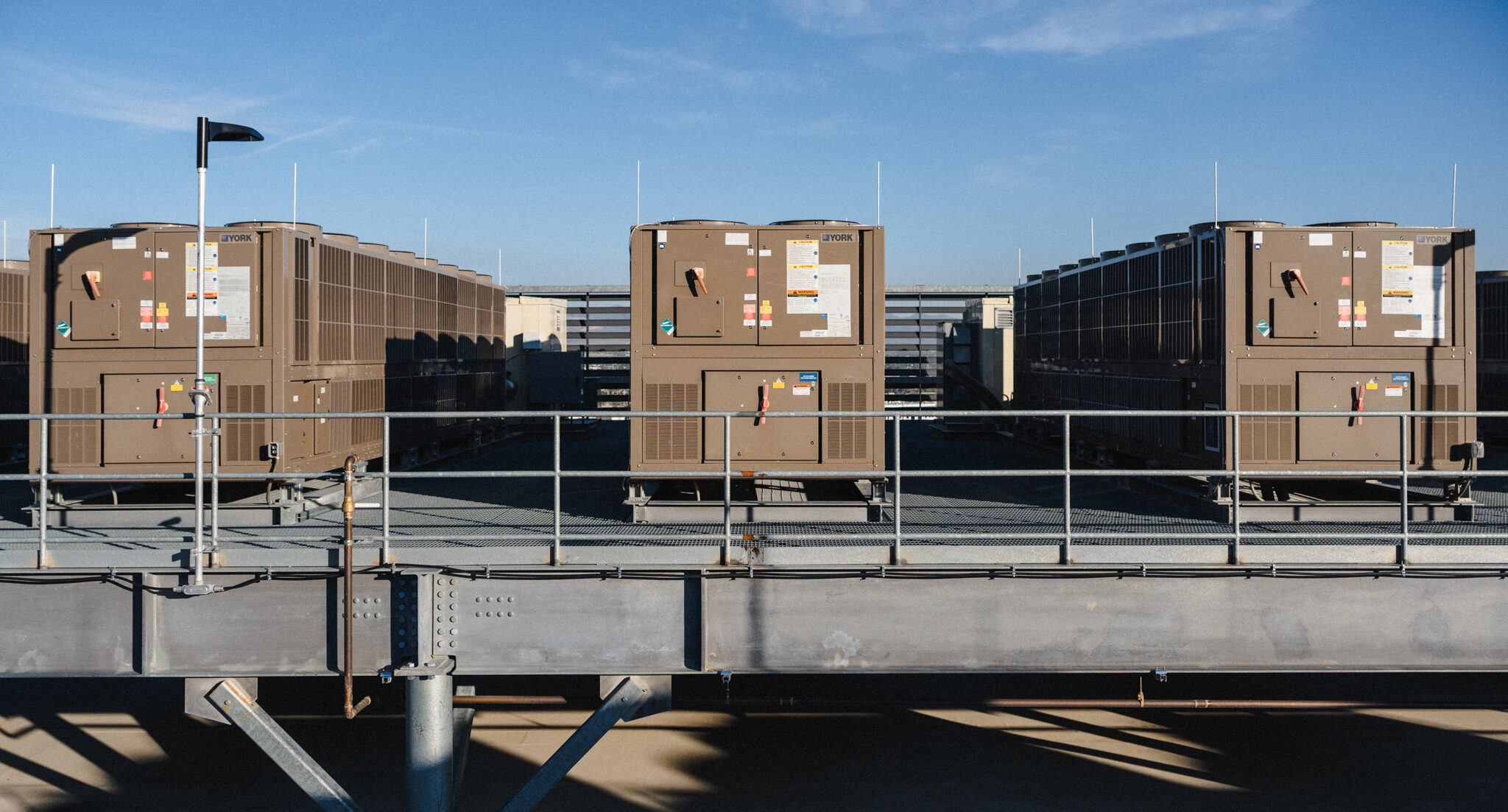
Data center energy efficiency refers to the optimization of power consumption, cooling systems, and infrastructure coordination to reduce operational waste while maintaining continuous operation. Energy costs can represent up to 50% of operating expenses in large-scale facilities, making efficiency one of the most important aspects of long-term infrastructure planning. Facilities throughout Utah — including those sourcing chiller rentals in South Jordan, UT — are increasingly prioritizing mechanical efficiency as part of broader infrastructure planning.
As AI workloads, cloud computing platforms, and high-density servers consume huge amounts of electricity, optimizing energy performance becomes critical for scalability and financial sustainability.
Modern data center infrastructure must balance:
- High-performance servers processing massive data loads
- Cooling units removing sustained thermal output
- Power distribution units managing megawatt demand
- Automation platforms minimizing unnecessary overhead
- Long-term expansion aligned with business needs
Without coordinated optimization, inefficiencies compound rapidly at scale.
Where Energy Is Consumed In Data Centers

Energy consumption typically falls into two primary categories: IT equipment and supporting infrastructure. Understanding what data centers are used for at an operational level helps clarify why each of these categories carries such significant energy weight.
Major contributors include:
- Servers and storage systems processing continuous workloads
- Cooling systems removing heat from rack environments
- Electrical conversion across power infrastructure
- Redundant systems preserving uptime
- Network equipment maintaining connectivity
Cooling and electrical distribution together represent the largest opportunity for measurable savings.
Cooling Efficiency And Thermal Strategy
Cooling systems are one of the most energy-intensive components of any facility. As rack density increases, inefficient airflow management dramatically increases overhead. A thorough review of data center cooling strategies helps teams identify where air-based and liquid-based systems can be better coordinated to reduce energy waste.
According to the International Energy Agency, the share of cooling systems in total data center consumption varies from about 7% for efficient hyperscale facilities to over 30% for less-efficient enterprise data centers — a gap that underscores how much operational cost improvement is available through disciplined cooling system optimization.
Additional optimization strategies include:
- Chiller sequencing optimization: Improves part-load efficiency
- Variable-speed cooling units: Adjust output to real-time demand
- Direct-to-chip liquid cooling integration: Removes heat at the silicon level
Raising server inlet temperatures within manufacturer guidelines can yield measurable savings in cooling costs. Even small increases in allowable intake temperature reduce chiller load and improve overall data center energy efficiency. Facilities located in cooler climates may also leverage natural free-cooling to reduce mechanical strain.
IT Load Optimization And Virtualization
Energy efficiency is not limited to mechanical systems. IT strategy plays a critical role.
Virtualization maximizes hardware potential and reduces idle power draw by consolidating workloads onto fewer servers. Instead of operating underutilized equipment, facilities can improve utilization rates and reduce unnecessary energy consumption.
IT-level optimization includes:
- Server consolidation to reduce idle capacity
- Dynamic workload distribution across infrastructure
- Decommissioning outdated equipment
Improving server utilization directly reduces cooling demand and electrical strain.
7 Optimization Strategies For Data Center Energy Efficiency
The following seven strategies represent scalable approaches to improving performance in enterprise and hyperscale environments.
1. Cooling System Optimization
Cooling must operate dynamically rather than at fixed capacity.
- Airflow containment engineering: Prevents thermal recirculation
- Chiller plant tuning: Aligns output with real-time load
- Hybrid cooling coordination: Balances air and liquid systems
2. Power Distribution Efficiency
Electrical infrastructure should minimize conversion loss and imbalance.
- High-efficiency power distribution units: Reduce electrical waste
- Load balancing management: Prevent localized overload
- Redundant pathway optimization: Maintain uptime without excess draw
3. IT Virtualization Strategy
Improving hardware utilization reduces idle power consumption.
- Workload consolidation planning: Increase server utilization
- Idle server reduction: Lower unnecessary energy draw
- Capacity forecasting: Prevent overprovisioning
Virtualization reduces both direct IT consumption and indirect cooling demand.
4. Temperature Setpoint Optimization
Temperature management significantly affects cooling cost.
- Server inlet temperature adjustments: Reduce mechanical strain
- ASHRAE guideline alignment: Maintain safe thermal thresholds
- Containment reinforcement: Protect temperature consistency
Strategic temperature increases can deliver measurable energy savings without compromising equipment reliability.
5. Automation And Real-Time Monitoring
Automation software enhances precision across cooling and power systems.
- Dynamic cooling modulation: Match output to live load
- Energy analytics platforms: Identify inefficiency trends
- Predictive maintenance integration: Prevent degraded performance
Hyperscale data center operators rely heavily on automation to manage huge amounts of power demand efficiently.
6. Renewable Integration And Grid Coordination
Energy sourcing influences total facility efficiency.
- Renewable energy sourcing: Reduce environmental impact
- Demand response participation: Support grid stability
- Battery storage alignment: Manage peak consumption
Modern facilities increasingly function as active participants in regional energy ecosystems.
7. Equipment Lifecycle Management
Aging equipment increases operational cost and energy waste. Aligning lifecycle management with data center best practices ensures that equipment replacement, inspection cycles, and performance audits are all scheduled proactively rather than reactively.
- Preventative maintenance scheduling: Maintain peak efficiency — Freedom Mechanical’s preventative maintenance programs are structured to keep mechanical systems operating at their most efficient throughout every lifecycle stage.
- Targeted equipment upgrades: Replace inefficient components
- Performance audits: Identify recurring loss areas
Equipment optimization protects long-term scalability.

Measuring Data Center Energy Performance
Energy performance must be monitored continuously to validate improvement efforts.
Common performance indicators include:
- Power Usage Effectiveness (PUE)
- Cooling system efficiency ratios
- Rack-level temperature variance
- Electrical load distribution stability
Data center providers use centralized monitoring systems to evaluate optimization success and identify new opportunities.
Why Energy Efficiency Supports Long-Term Scalability
As AI workloads expand and cloud computing demand accelerates, infrastructure must scale without unsustainable cost growth. Energy optimization improves:
- Operational cost stability
- Mechanical system lifespan
- Infrastructure expansion capacity
- Environmental sustainability metrics
Energy efficiency directly supports business growth and protects long-term infrastructure investment.
Common Questions About Data Center Energy Efficiency
Energy costs can represent up to 50% of operating expenses in large-scale facilities, making structured optimization essential. Strategies such as virtualization, containment engineering, temperature setpoint adjustments, and automation-driven cooling coordination all contribute to measurable performance improvement. The following questions address how these methods support continuous operation and scalable infrastructure.
What consumes the most energy in a data center?
Cooling systems and high-density servers typically account for the largest share of energy consumption.
How does virtualization improve efficiency?
Virtualization increases hardware utilization and reduces idle power draw, lowering both IT and cooling demand.
Why does raising inlet temperature reduce cost?
Higher server inlet temperatures reduce chiller load, lowering cooling energy requirements when maintained within safe thresholds.
How does containment reduce energy waste?
Hot and cold aisle containment prevents airflow mixing, allowing cooling systems to operate more efficiently.

Conclusion Energy Efficiency Drives Infrastructure Stability
Data center energy efficiency is foundational to scalable, mission-critical infrastructure. As companies deploy larger AI clusters and expand cloud computing environments, optimization across cooling systems, power distribution, virtualization strategy, and automation becomes essential.
Freedom Mechanical supports complex commercial facilities by aligning high-capacity cooling systems with disciplined energy optimization strategies, protecting uptime while improving long-term operational performance. For facilities requiring supplemental cooling capacity during upgrades or peak demand periods, Freedom Mechanical provides chiller rentals in Bluffdale, UT and chiller rentals in West Jordan, UT.