Articles
Hyperscale Data Center (8 Campus-Scale & MW Demand Drivers for 2026)
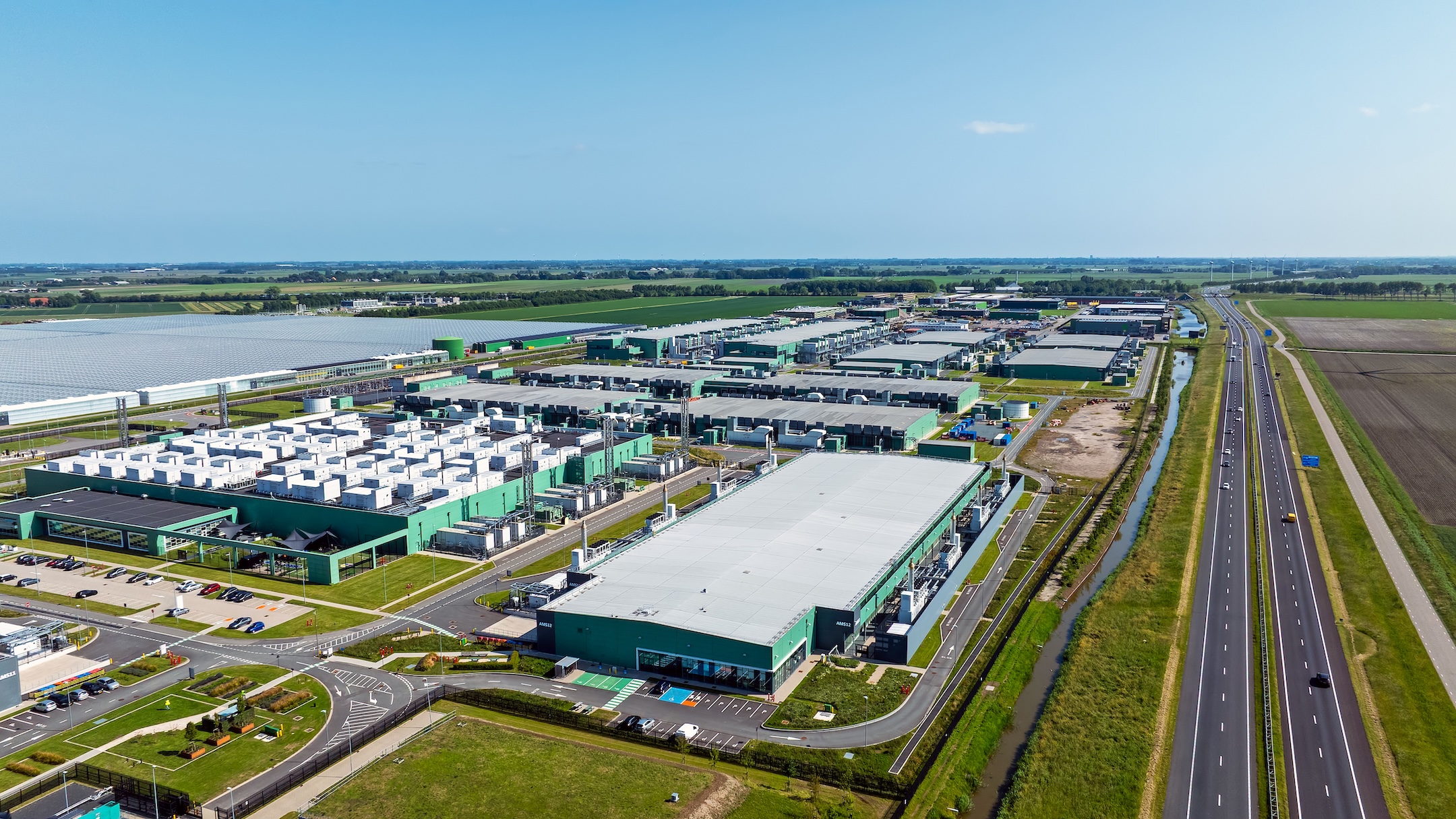
A hyperscale data center is a campus-scale facility engineered to support huge amounts of computing demand across cloud computing platforms, AI clusters, and global digital services. These environments operate at extreme density, often consuming tens to hundreds of megawatts while housing thousands of servers and specialized equipment. As digital demand accelerates in 2026, hyperscale data center operators must design infrastructure capable of sustained expansion without compromising continuous operation. Facilities throughout Utah — including those sourcing chiller rentals in Orem, UT — are increasingly supporting hyperscale-adjacent growth in the region.
Hyperscale data centers support high-performance computing tasks more efficiently than smaller setups because hyperscale architecture is purpose-built for density, automation, and large-scale power coordination. Mechanical systems, power distribution units, and cooling equipment are engineered as integrated systems rather than incremental upgrades layered over time.
- Campus-scale deployment across multiple buildings
- Megawatt-level power infrastructure
- Advanced cooling systems for AI-driven density
- Rapid server deployment capability
- Software-defined automation platforms
These facilities are designed to meet evolving business needs while delivering measurable advantages in scalability and performance.
What Defines A Hyperscale Data Center

Hyperscale environments differ significantly from traditional enterprise facilities or regional data center providers. They are built to deliver storage services, compute capacity, and distributed cloud computing resources at global scale.
Hyperscale data centers allow rapid deployment of thousands of servers to meet growing cloud demand from customers around the world. Modular construction enables operators to expand quickly as companies increase reliance on AI-driven technology and digital services.
Key characteristics include:
- Massive server halls designed for high-density equipment
- On-site substations supplying megawatt-scale power
- Advanced cooling equipment engineered for sustained thermal loads
- Integrated automation platforms managing infrastructure
Hyperscalers often pioneer custom hardware and cooling equipment to establish new industry benchmarks. These innovations create measurable benefits in efficiency, density, and performance.
Cooling Challenges In Hyperscale Environments
Thermal management is one of the most important aspects of hyperscale infrastructure. AI and machine learning clusters generate huge amounts of heat, often exceeding what traditional air-forced systems can manage. Understanding the full spectrum of data center cooling strategies helps operators select the right combination of air and liquid systems for campus-scale thermal loads.
Modern cooling strategies include:
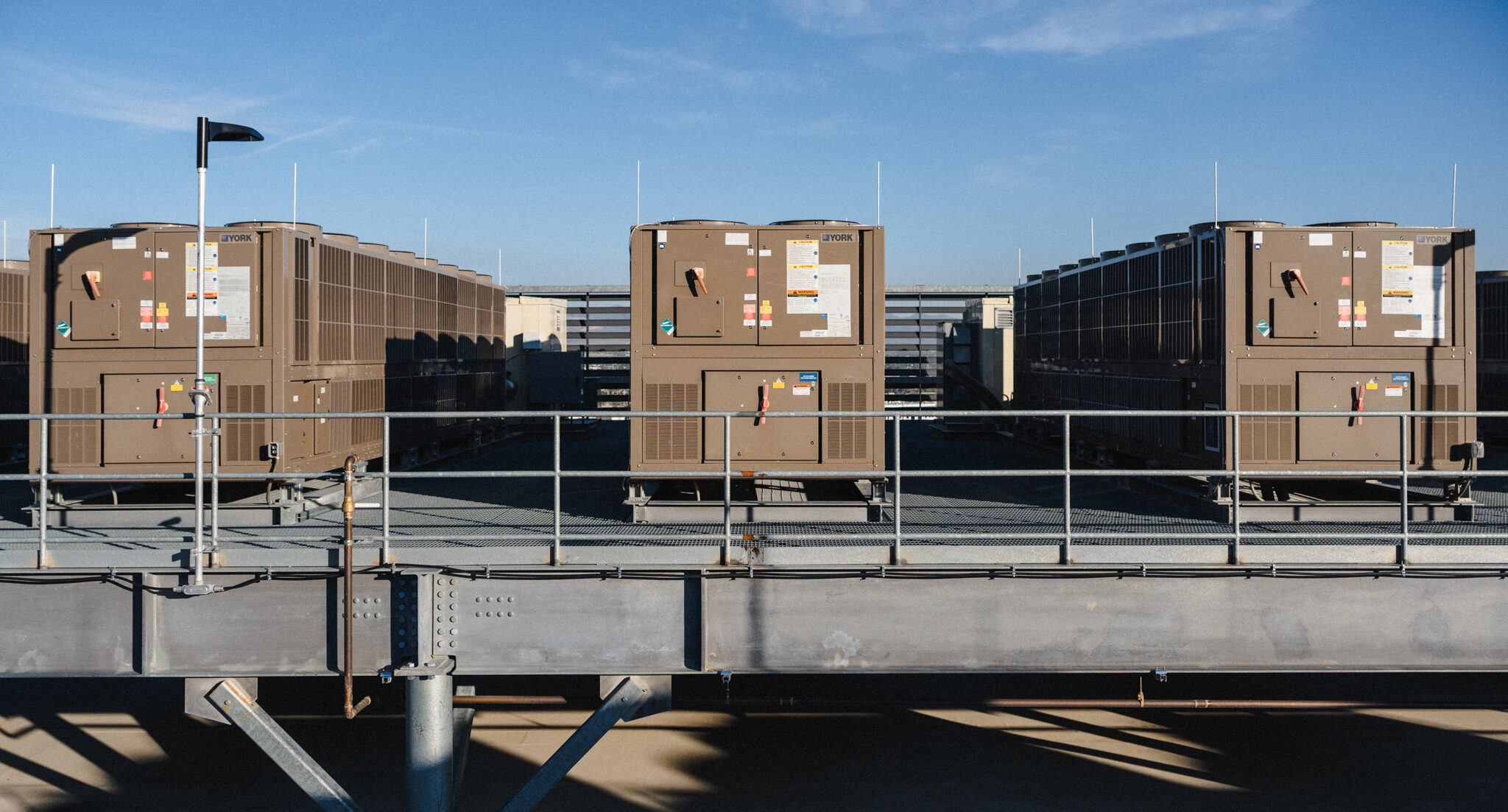
- High-capacity chiller plants engineered for modular expansion
- Direct-to-chip liquid cooling for GPU-intensive servers
- Hybrid air and liquid cooling coordination
- Heat rejection systems synchronized across campus buildings
Hyperscale facilities enable rapid expansion to meet growing AI and cloud computing demand. Cooling units must scale proportionally with power infrastructure to maintain stability.
The advantages of advanced liquid cooling include higher rack density, improved energy efficiency, and reduced airflow dependency.
Power Infrastructure And MW Demand
Megawatt demand defines hyperscale operations. The largest data center infrastructure can exceed 100 MW of sustained load, with projections increasing as AI adoption grows.
Hyperscale power planning includes:
- Redundant utility interconnects
- High-capacity power distribution units
- Integrated backup generation equipment
- Grid-level demand response coordination
Data centers are transitioning from massive power consumers to active participants in the local energy grid. Strategic location selection near renewable energy sources improves sustainability and long-term operational benefits.
Power infrastructure must support continuous operation while enabling phased expansion.
Software-Defined Networking And Automation
Hyperscale architecture relies heavily on software-defined networking and advanced automation. Automation software continuously adjusts cooling output, power routing, and environmental conditions to reduce inefficiency.
Core automation capabilities include:
- Real-time monitoring of thermal and electrical performance
- Dynamic cooling modulation based on server demand
- Automated failover coordination across facilities
Software-defined networking enables rapid scaling of network resources while maintaining low latency. These capabilities allow hyperscale data center operators to respond quickly to changing customer workloads.
Location Strategy And Infrastructure Density
Location plays a defining role in hyperscale deployment. Facilities are often positioned in cooler climates to leverage natural free-cooling, improving energy performance and reducing mechanical strain.
Additional location considerations include:
- Proximity to strong fiber infrastructure for stable connectivity
- Access to renewable energy sources
- Availability of large land parcels for campus-scale expansion
Proximity to fiber infrastructure ensures uninterrupted data operations for customers relying on cloud computing platforms.
8 Campus-Scale & MW Demand Drivers For 2026

The following eight drivers define hyperscale expansion heading into 2026.
1. AI And High-Performance Computing Growth
AI workloads drive extreme thermal and power demand. According to the International Energy Agency, electricity consumption from AI-focused data centers grew 50% in 2025 alone, with electricity consumption from data centers projected to roughly double from 485 TWh in 2025 to 950 TWh by 2030 — an unprecedented growth trajectory that is placing extreme thermal and power demands on hyperscale infrastructure.
- GPU clustering expansion: Increases rack-level heat density
- High-performance computing tasks: Require sustained megawatt draw
- Accelerated hardware refresh cycles: Increase infrastructure strain
2. Rapid Cloud Expansion
Cloud computing growth requires rapid deployment of infrastructure.
- Mass server deployment capability: Enables scalable expansion
- Distributed workload architecture: Supports global customers
- Elastic storage services: Adapt to evolving business needs
3. Liquid Cooling Standardization
Liquid cooling is becoming foundational to hyperscale infrastructure.
- Direct-to-chip integration: Removes heat at the silicon level
- Hybrid cooling coordination: Balances airflow and liquid loops
- Advanced heat rejection systems: Improve campus efficiency
4. Campus-Level Scalability
Hyperscale facilities are engineered for long-term expansion. Understanding how industrial chiller systems are sized and sequenced is essential to matching cooling capacity with the phased megawatt growth these campuses require.
- Modular data hall construction: Supports phased growth
- Expandable chiller equipment: Matches rising demand
- Utility capacity forecasting: Anticipates future megawatt load
5. Renewable Energy Integration
Sustainability influences hyperscale design decisions.
- Renewable energy sourcing: Reduces environmental impact
- Grid-interactive participation: Supports regional stability
- Battery storage coordination: Manages peak consumption
6. Advanced Automation Platforms
Automation platforms that incorporate data centers best practices, strengthens performance and reduces energy overhead.
- Predictive maintenance analytics: Minimize downtime risk
- Dynamic cooling adjustment: Improve efficiency
- Integrated monitoring systems: Enhance operational visibility
7. Custom Hardware Innovation
Hyperscalers frequently design proprietary equipment optimized for performance.
- Custom server architecture: Improves workload efficiency
- Specialized cooling integration: Aligns with hardware density
- Infrastructure-specific engineering: Establishes new performance benchmarks
8. Global Connectivity Requirements
Global digital ecosystems demand resilient network infrastructure.
- Redundant fiber pathways: Protect uptime
- Low-latency interconnection: Support distributed workloads
- Software-defined networking integration: Increase flexibility
Mechanical Engineering As The Strategic Constraint
Despite advancements in automation and hyperscale architecture, mechanical infrastructure remains the most important aspect of operational reliability. Cooling equipment, containment discipline, and heat rejection capacity ultimately determine how many servers can operate safely within a facility. When cooling systems fail or underperform at scale, access to emergency repair and response services becomes critical to protecting uptime and preventing cascading equipment damage.
As hyperscale data center operators continue to expand, mechanical precision becomes the limiting factor in scalability. Aligning cooling systems with megawatt growth projections ensures long-term stability and protects infrastructure investments.

Conclusion Hyperscale Infrastructure Requires Precision
Hyperscale data centers represent the largest data center deployments in the industry, engineered to support huge amounts of cloud computing demand, storage services, and AI-driven workloads. Their advantages include rapid server deployment, scalable campus expansion, advanced automation, and renewable energy integration.
As technology continues to evolve, hyperscale facilities must balance power growth with cooling efficiency and location strategy. Mechanical coordination will determine whether these environments sustain continuous operation under extreme demand.
Freedom Mechanical supports complex commercial and mission-critical facilities by aligning high-capacity cooling systems with campus-scale infrastructure strategy, protecting uptime in the most demanding environments. For facilities in the region requiring temporary chilled water capacity, Freedom Mechanical provides chiller rentals in Eagle Mountain, UT, chiller rentals in Bluffdale, UT, and the surrounding communities.