Articles
Data Center Cooling: Where and How It’s Used in 2026
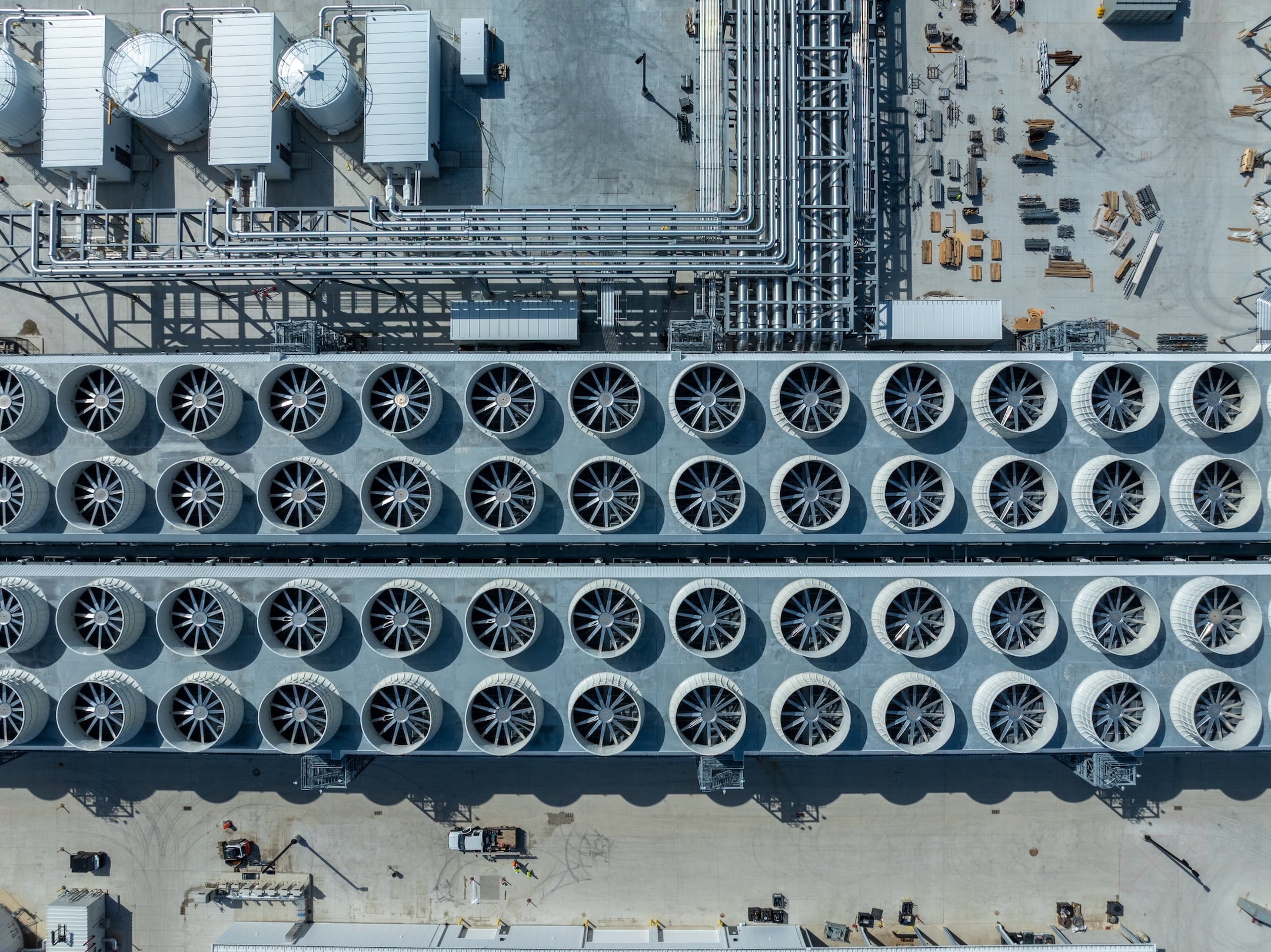
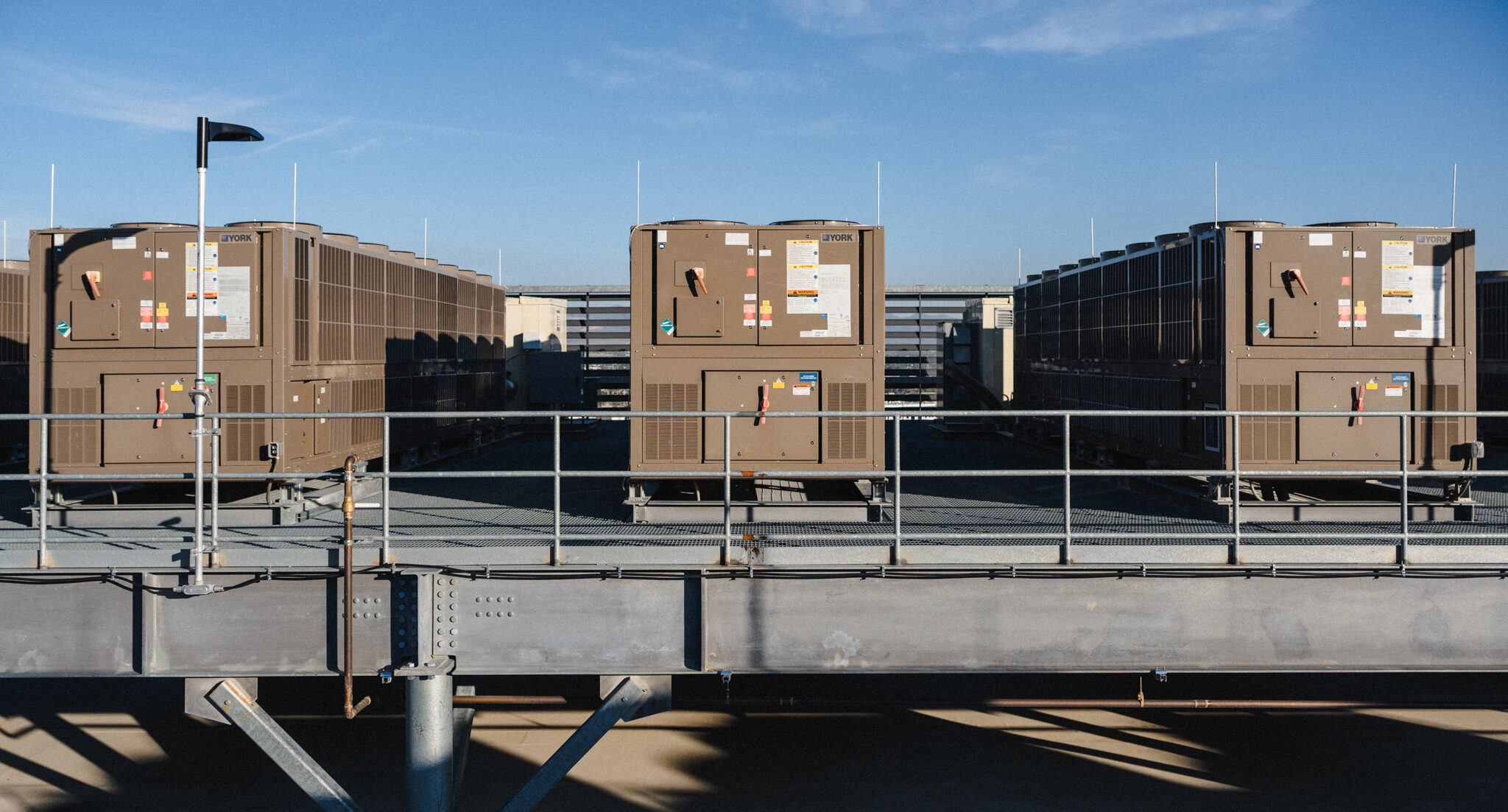
Data center cooling plays a critical role in protecting modern digital infrastructure, ensuring consistent performance for servers, networking equipment, and high demand data processing environments. In 2026, cooling technologies are no longer secondary support systems. They are foundational elements of data center design, resource allocation planning, and long term business continuity strategies. Facilities across the region, including those seeking chiller rentals in Salt Lake City, UT, depend on properly engineered cooling to maintain uptime.
- Thermal regulation: Prevent overheating that damages hardware and networking equipment.
- Energy management: Improve energy efficiency while controlling operating costs.
- Performance stability: Maintain consistent environmental conditions under sustained loads.
- Infrastructure protection: Extend equipment lifespan by stabilizing temperature and airflow.
As rack densities increase and processing demand rises, cooling strategies must evolve to dissipate heat effectively and manage expanding mechanical loads.
Why Data Center Cooling Is More Critical Than Ever

Cooling systems directly influence operational reliability. Excess hot air trapped within rack environments reduces hardware efficiency, increases failure risk, and disrupts business continuity. According to the U.S. Department of Energy, data centers can consume up to 50 times the energy per floor space of a typical commercial office building. This highlights how essential energy efficiency and optimized cooling performance are to long term cost control.
Modern data center managers must balance performance with responsible water usage and energy management. As cooling technologies evolve, facilities are increasingly measuring water consumption alongside electrical demand to improve sustainability targets.
Traditional air cooling systems remain common, but they must be engineered carefully to prevent hot air recirculation and airflow imbalance. Advanced management systems now provide real time insights that help operators improve resource allocation and cooling output. Following established data center best practices ensures these systems are configured and maintained to their full potential.
5 Core Objectives Of Data Center Cooling In 2026
Cooling infrastructure should align with measurable objectives that support reliability and efficiency.
- Maintain stable inlet temperatures across all rack environments.
- Improve energy efficiency to reduce operational waste.
- Support uninterrupted networking equipment performance.
- Enable scalable expansion without infrastructure redesign.
- Strengthen business continuity through redundancy and monitoring.
When these objectives guide system design, facilities reduce risk while maintaining predictable performance.
Where Data Center Cooling Is Used in 2026
Cooling operates across multiple zones within a data center facility. Each zone presents unique thermal challenges.
Server Rack Environments
Server racks generate concentrated heat loads due to dense data processing operations. Without containment, hot air can recirculate into intake paths, raising inlet temperatures and reducing system reliability.
- Hot aisle containment: Separate exhaust hot air from intake airflow.
- Rack level monitoring: Track temperature patterns continuously.
- Airflow balancing: Direct cooling capacity where needed most.
These measures allow facilities to dissipate heat efficiently without overproducing chilled air.
High Density Computing Areas
Artificial intelligence workloads and high performance computing clusters demand cooling technologies capable of managing extreme thermal output. These zones often require supplemental strategies beyond traditional air cooling.
- Liquid assisted cooling: Improve localized heat removal.
- Rear door heat exchangers: Capture heat at the source.
- Precision environmental control: Maintain stable operating ranges.
Liquid cooling solutions can reduce energy waste while improving heat dissipation in dense configurations.
Networking Equipment Zones
Networking equipment must operate within narrow temperature thresholds to prevent performance degradation.
- Humidity regulation: Protect sensitive components.
- Air filtration systems: Minimize particulate buildup.
- Redundant airflow systems: Maintain continuity during component failure.
Stable conditions in these zones protect data center connectivity and system throughput.
Power and Electrical Rooms
Electrical infrastructure produces sustained thermal output. Dedicated cooling systems are necessary to prevent overheating of switchgear, transformers, and UPS components.
- Dedicated cooling circuits: Isolate electrical heat loads.
- Thermal sensors: Monitor temperature shifts.
- Backup cooling capacity: Support peak load conditions.
Managing these zones properly improves overall system reliability and prevents cascading failures.
How Modern Data Center Cooling Systems Work

Cooling technologies in 2026 combine mechanical engineering with intelligent monitoring to improve responsiveness and efficiency. Freedom Mechanical’s commercial HVAC services are built to support the complex demands of these modern cooling environments.
Air Based Cooling Systems
Traditional air cooling systems remain widely used due to scalability and familiarity. Modern implementations focus on airflow precision to maximize energy efficiency.
- Raised floor distribution: Deliver conditioned air directly to racks.
- Variable speed fans: Adjust airflow based on demand.
- Temperature zoning: Target specific load areas.
Proper airflow design prevents hot air accumulation and improves cooling consistency.
Liquid Cooling Solutions
Liquid cooling systems offer superior thermal transfer for high density racks. These systems dissipate heat more efficiently than air alone.
- Direct to chip cooling: Remove heat at processor level.
- Coolant distribution units: Regulate fluid flow and temperature.
- Heat exchanger integration: Transfer heat safely away from equipment.
While liquid cooling may increase water consumption, advanced designs now minimize water usage through closed loop systems that conserve resources.
Hybrid Cooling Approaches
Hybrid systems combine traditional air cooling with liquid support to balance efficiency and scalability.
- Supplemental liquid systems: Assist high demand racks.
- Adaptive airflow control: Respond to workload changes.
- Integrated monitoring platforms: Align cooling output with processing intensity.
These hybrid models allow data center managers to maintain performance without unnecessary overcooling.
Cooling Strategy Comparison
| Cooling Type | Best Use Case | Consideration |
| Traditional Air Cooling | Moderate density facilities | May struggle with extreme heat loads |
| Liquid Cooling | High density computing | Requires careful water usage management |
| Hybrid Systems | Mixed load environments | More complex integration |
Facilities in Lehi, UT must account for seasonal temperature swings that impact cooling performance. Structured preventative maintenance and system calibration help maintain energy efficiency throughout the year.
We’re proud to serve home and business owners in Lehi, UT, and nearby communities with data center cooling solutions and more.
Optimizing Cooling Efficiency For Long Term Performance
Improving cooling efficiency reduces operational costs and supports business continuity. Effective resource allocation ensures cooling capacity aligns with real time processing demand.
Preventative maintenance remains critical. Regular inspections, airflow balancing, refrigerant verification, and system diagnostics help facilities avoid inefficiencies and maintain reliable performance. Understanding how data center energy efficiency ties into cooling strategy helps operators make smarter long term infrastructure decisions.
Modern data center design must anticipate future growth. Scalable infrastructure and integrated management systems allow cooling capacity to expand alongside increased processing demand while maintaining stable performance.
Common Questions About Data Center Cooling
Data center managers often evaluate cooling strategies based on performance, energy efficiency, scalability, and long term operational stability. As cooling technologies evolve, understanding how different systems dissipate heat and manage hot air becomes critical to maintaining reliable infrastructure. Below are answers to common questions related to modern data center cooling practices.
Why is hot air management important in a data center?
Hot air recirculation increases inlet temperatures and reduces cooling effectiveness. Containment strategies prevent heat mixing and improve efficiency.
How does traditional air cooling compare to newer technologies?
Traditional air cooling is effective for moderate density loads, while liquid and hybrid cooling technologies better support high density environments.
Does liquid cooling increase water consumption?
Modern liquid cooling systems often use closed loop designs that control water usage and limit excessive water consumption.
Why do data center managers focus on energy efficiency?
Energy efficiency reduces operating costs, improves sustainability performance, and decreases mechanical strain on cooling infrastructure.

Trust Freedom Mechanical For Reliable Data Center Cooling
Reliable data center cooling requires more than equipment. It requires disciplined planning, precise mechanical execution, and ongoing preventative maintenance. Freedom Mechanical supports mission critical facilities with commercial chiller expertise, cooling system optimization, and performance focused service. If your data center requires evaluation, system upgrades, or long term mechanical support, including chiller rentals in Orem, UT, or Draper, UT, contact Freedom Mechanical today to protect uptime, improve energy efficiency, and strengthen operational stability.