Articles
What Are Data Centers Used For in 2026? (8 Core AI & Cloud Growth Drivers)
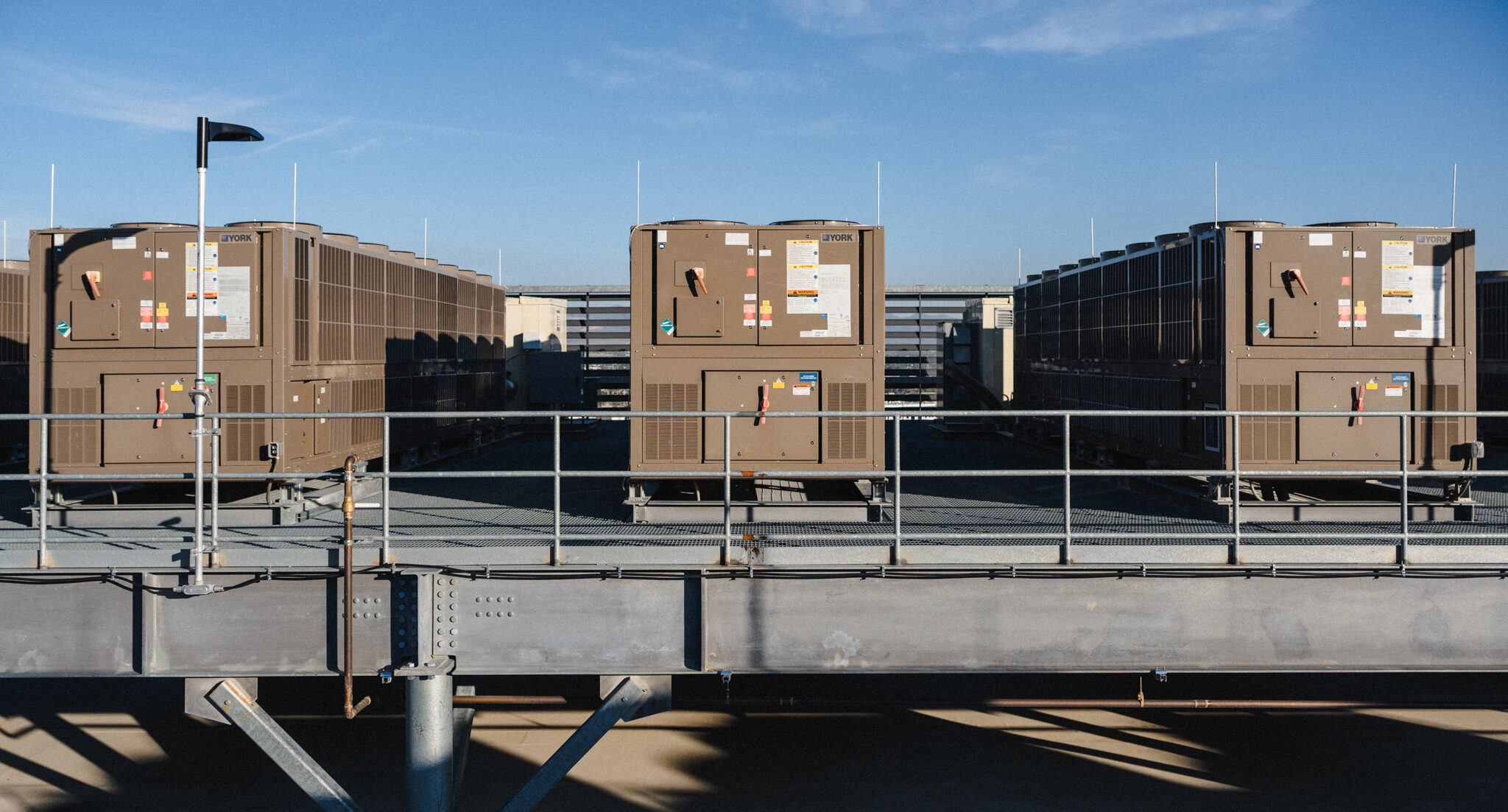
If you’re asking, what are data centers used for in 2026, the answer is broader than ever. Modern data centers power artificial intelligence, cloud computing platforms, high-performance computing, digital storage systems, financial networks, healthcare platforms, and nearly every online service used globally. For mechanical teams supporting these environments — including those providing chiller rentals in Draper, UT — the scope of what data centers do makes reliable cooling infrastructure more critical than ever.
Today’s facilities are not simply places to store data. They are highly engineered infrastructure environments supporting huge amounts of data processing, cloud-based applications, and mission-critical business operations. From streaming platforms and AI chat systems to banking networks and enterprise software, nearly every digital interaction routes through services data centers provide.
In 2026, data centers are primarily used for:
- Artificial intelligence model training and inference
- Cloud computing and distributed applications
- Data storage and backup services
- Enterprise IT infrastructure
- High-performance computing workloads
- Global networking and communication systems
- Edge computing deployments
- Cybersecurity and threat monitoring systems
As AI and cloud growth accelerate, both enterprise facilities and cloud data centers are expanding rapidly across global markets.
What Is A Data Center?

A data center is a facility that houses servers, storage systems, networking equipment, and supporting power and cooling infrastructure. These environments allow organizations to process, analyze, and store data securely while delivering digital services at scale. A full breakdown of data center infrastructure reveals how each of these systems — mechanical, electrical, and structural — must work in coordination to sustain reliable operations.
Core components of modern data center design include:
- Servers that process digital workloads
- Storage systems that retain structured and unstructured data
- Network infrastructure connecting users and applications
- Cooling systems that dissipate heat
- Power distribution systems supporting continuous operation
- Layered data center security systems protecting sensitive data
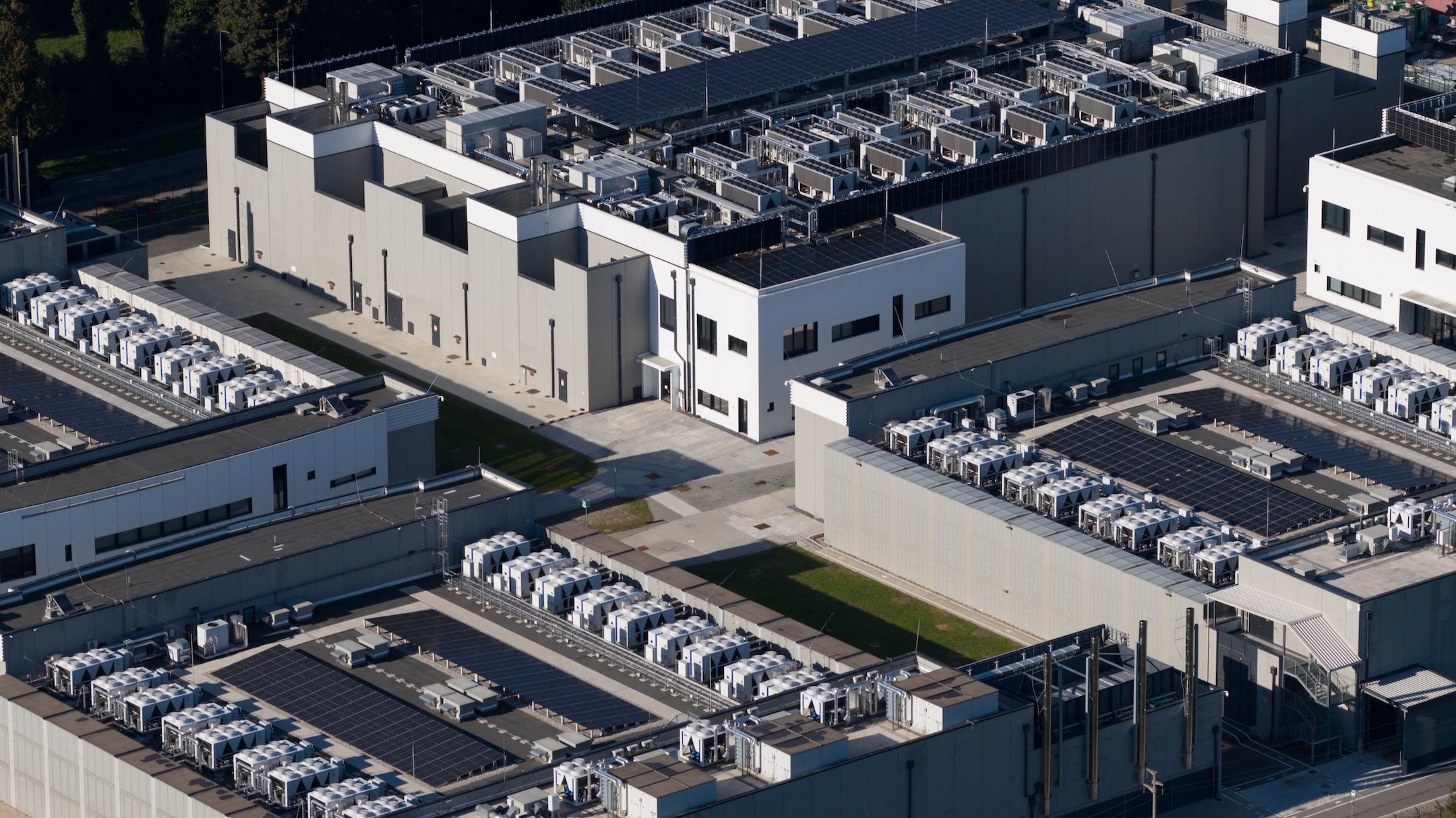
In 2026, hyperscale and enterprise facilities operate at campus scale, often deploying multiple data centers across regions to improve redundancy and performance.
Why Data Centers Matter More In 2026
AI and cloud computing growth have dramatically increased infrastructure demand. Modern businesses generate huge amounts of information that must be processed, analyzed, and retained securely.
Key growth drivers include:
- AI model training requiring dense GPU clusters
- Enterprise cloud migration strategies
- Edge computing deployments reducing latency
- Regulatory requirements for data center security
- Global digital commerce expansion
Cloud data centers now support millions of customers simultaneously, providing computing resources on demand without organizations maintaining physical infrastructure on-site.
8 Core AI & Cloud Growth Drivers

The following eight drivers explain what data centers are used for in 2026 and why demand continues to scale.
1. Artificial Intelligence Processing
AI workloads are one of the primary uses of modern data centers. Training large models and running inference engines require enormous computational density. According to the International Energy Agency, electricity demand from AI-optimized data centers is projected to more than quadruple by 2030 — making AI processing the single most significant driver reshaping data center design, cooling infrastructure, and power planning in 2026 and beyond.
- GPU cluster deployment: Supports parallel AI processing
- High-density rack environments: Maximize compute capacity
- Liquid cooling integration: Manage sustained thermal output
AI growth has reshaped data center design, driving the development of high-density infrastructure.
2. Cloud Computing Platforms
Cloud computing allows businesses to access computing resources without owning physical hardware. Cloud data centers distribute workloads across multiple data centers to improve resilience.
- Virtualized server environments: Allocate resources dynamically
- Elastic storage services: Scale with customer demand
- Multi-region redundancy: Protect business continuity
Cloud providers rely on geographically distributed infrastructure to deliver stable digital services worldwide.
3. Data Storage And Backup
Data centers are essential for organizations that need to store data securely and reliably. As data generation accelerates, scalable storage infrastructure becomes critical.
- Distributed storage clusters: Protect against data loss
- Redundant backup systems: Ensure long-term reliability
- Tiered storage architecture: Balance performance and cost
Enterprises increasingly deploy multiple data centers to maintain disaster recovery readiness.
4. High-Performance Computing
Scientific modeling, AI research, and financial analytics depend on high-performance computing environments within data centers.
- Parallel processing architecture: Accelerate complex calculations
- Low-latency networking: Enable real-time workloads
- Optimized cooling systems: Maintain operational stability
These environments demand advanced infrastructure coordination.
5. Enterprise Digital Infrastructure
Many organizations operate private facilities or hybrid cloud environments to support internal systems.
- Enterprise resource planning systems: Manage operations
- Customer relationship platforms: Support engagement
- Secure internal networks: Protect proprietary information
Enterprise-level data center security remains a top priority for protecting sensitive data.
6. Global Networking And Connectivity
Data centers act as interconnection hubs supporting global communication.
- Fiber interconnection points: Enable high-speed transfer
- Software-defined networking: Improve traffic routing
- Low-latency architecture: Support real-time services
Without interconnected data centers, digital services would not scale reliably.
7. Financial And Transactional Systems
Financial institutions rely on data centers to process transactions securely and continuously.
- High-availability infrastructure: Prevent downtime
- Advanced encryption systems: Strengthen data center security
- Redundant power distribution: Maintain uninterrupted service
Financial systems demand strict infrastructure discipline.
8. Healthcare And Public Sector Systems
Healthcare providers and government agencies depend on secure and resilient digital infrastructure.
- Electronic health records: Store patient data
- Medical imaging systems: Retain diagnostic files
- Secure public networks: Protect sensitive data
Reliable data center operations directly support public safety and institutional continuity.
Hyperscale And Distributed Infrastructure
Hyperscale cloud data centers are expanding to meet AI-driven demand. These facilities often deploy thousands of servers rapidly to accommodate new workloads. Understanding what makes a hyperscale data center distinct — from campus-scale power demands to advanced liquid cooling coordination — helps illustrate why mechanical precision is non-negotiable at this scale.
Advantages of distributed infrastructure include:
- Rapid deployment across multiple data centers
- Modular expansion capability
- Advanced automation for operational efficiency
- Geographic redundancy for disaster recovery
Strategic data center design ensures scalable growth while maintaining performance stability.
Data Center Security And Infrastructure Protection
As data volumes increase, data center security becomes even more critical. Facilities must protect both physical infrastructure and digital assets.
Key security layers include:
- Biometric access controls
- 24/7 surveillance systems
- Network intrusion detection
- Encryption of stored and transmitted data
Security integration is a fundamental element of modern data center design.
Cooling And Power Infrastructure In 2026
As AI density increases, data center cooling has become one of the most important aspects of data center operation. Advanced liquid cooling technologies are increasingly integrated into hyperscale environments to manage high heat loads. When cooling systems underperform or fail unexpectedly, access to emergency repair and response services is essential to restoring stability before cascading equipment damage occurs.
Power infrastructure must support megawatt-scale demand with redundancy and scalability. Reliable mechanical coordination ensures:
- Stable server inlet temperatures
- Continuous operation under peak load
- Predictable expansion capacity
- Reduced risk of overheating or shutdown
Cooling and electrical systems directly enable digital services to function without interruption.
Common Questions About Data Centers
Modern services data centers provide power nearly every digital interaction in 2026.
What are data centers mainly used for?
Data centers are used for AI processing, cloud computing, data storage, enterprise systems, networking, and digital service delivery.
Why do companies use multiple data centers?
Multiple data centers improve redundancy, disaster recovery, and geographic performance optimization.
How important is data center security?
Data center security protects sensitive data, prevents unauthorized access, and ensures regulatory compliance.
How does data center design impact performance?
Effective data center design aligns cooling systems, power distribution, and server density to maintain continuous operation and scalability.
Conclusion Data Centers Power Modern Infrastructure

So, what are data centers used for in 2026? They power artificial intelligence, enable cloud computing, store data securely, protect financial systems, and maintain global connectivity. As cloud data centers expand and AI workloads intensify, distributed infrastructure across multiple data centers becomes essential.
Reliable cooling systems, disciplined data center design, and strong security integration are foundational to sustaining digital growth.
Freedom Mechanical supports mission-critical cooling environments that protect uptime in large-scale data center operations, ensuring infrastructure remains stable as demand grows. For facilities requiring temporary chilled water support, Freedom Mechanical provides chiller rentals in West Jordan, UT.