Articles
Server Racks (8 Design Ideas, Cooling & Density Factors)
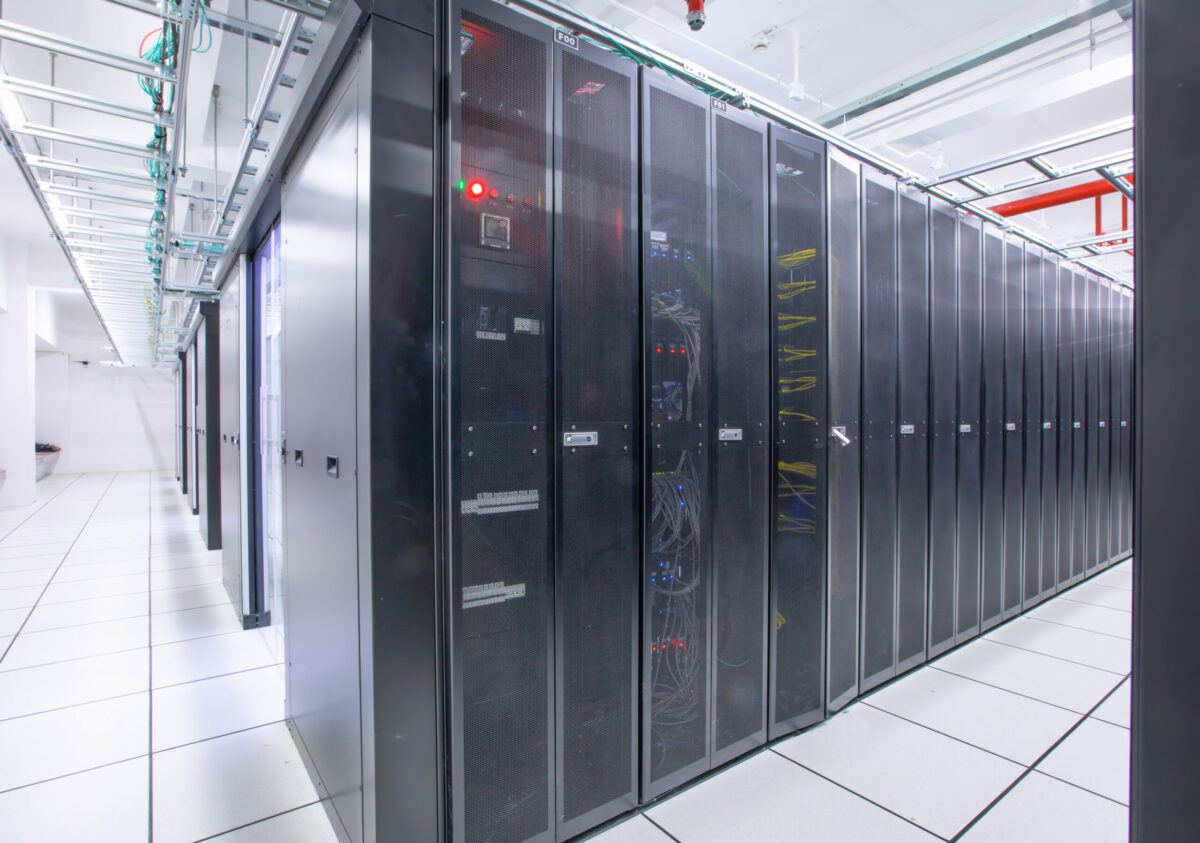
Every data hall is really a collection of decisions made one rack at a time. How server racks are laid out, cooled, and loaded has a direct impact on uptime, energy costs, and how much compute a facility can actually support. As workloads get denser and hardware runs hotter, rack level design has become just as important as the mechanical systems around it. Freedom Mechanical works on the data center cooling infrastructure that supports server racks across a range of facility types, and we’re breaking down the design ideas and density factors that matter most in 2026.
In this guide, you’ll learn:
- What factors influence server rack design and layout
- Why rack density has become such a pressing issue
- 8 server rack design ideas for better cooling and density support
- How different rack cooling methods compare
- Best practices for laying out server racks in a data hall
What Factors Affect Server Rack Design?

Server rack design isn’t just about fitting IT equipment into a frame, it’s about managing heat, airflow, power distribution, and future growth all at once. A few factors tend to drive most design decisions.
- Heat load per rack: Higher density hardware generates more heat, which shapes every other decision downstream.
- Airflow path: Whether a facility uses raised floor, overhead, or contained aisle airflow affects how racks should be arranged.
- Power distribution: Rack level power capacity needs to match both current equipment and anticipated growth.
- Physical footprint: Available floor space, external width, and structural weight capacity limits constrain how racks can be arranged and how dense they can get. The most common depth for server racks is between 36 and 42 inches, though deeper racks are becoming more common to accommodate longer servers and cable management space. Efficient space use allows multiple servers to fit in a small footprint, but that density has a physical cost, a fully populated rack can weigh upwards of 3,000 lbs, so floor loading needs to be confirmed before racks are deployed.
Types of Server Racks
Not every rack in a data hall looks the same. Facilities typically mix and match a few categories depending on the equipment being deployed and how much protection or airflow control it needs.
- Server cabinets: Fully enclosed with front and rear doors, offering better airflow control and physical security for sensitive equipment.
- Open frame racks: Skeletal frames without side panels or doors, chosen for easy access and better ventilation in lower security environments.
- Relay racks: A narrower, older style of open frame rack still found in some telecom and legacy IT industry applications.
- Network cabinets: Smaller enclosures designed to house patch panels, switches, and other networking gear rather than full servers.
- Specialty server racks: Purpose-built racks designed for unique requirements such as extreme density, seismic bracing, or non-standard equipment dimensions.
- Mobile racks: Mounted on casters and designed for easy transport and temporary use, common in testing environments, temporary deployments, or edge sites.
Why Rack Density Matters More Than Ever
Rack density has been climbing for years, but the pace has picked up noticeably with the growth of AI and high-performance computing workloads. According to Data Center Knowledge’s coverage of Uptime Institute’s 16th Annual Global Data Center Survey, the modal rack density surpassed 11 kW per rack for the first time in the survey’s history in 2026, up from 9 kW the year before.
That shift matters because it changes what “normal” rack design looks like. Facilities built around older density assumptions may need airflow, power, and cooling upgrades to support the equipment operators want to deploy today, even outside of dedicated AI clusters.
8 Server Rack Design Ideas for Better Cooling and Density

Whether you’re designing a new data hall or retrofitting an existing one, these are the design ideas that consistently pay off.
- Hot and cold aisle containment: Separating hot exhaust air from cold supply air dramatically improves cooling efficiency and reduces strain on the system.
- Blanking panels: Filling unused rack space with blanking panels prevents hot air recirculation and keeps airflow predictable.
- Rear door heat exchangers: Mounting a heat exchanger directly on the back of a rack can support higher densities without a full room redesign.
- In-row cooling units: Placing cooling units directly within the row shortens the airflow path and improves temperature consistency.
- Raised floor optimization: Properly sized and placed floor tiles keep airflow directed where it’s actually needed instead of leaking elsewhere.
- Cable management planning: Poorly managed cabling blocks airflow and makes troubleshooting harder. Cable ties are essential for keeping cable bundles manageable, and horizontal managers route cabling from either side of the rack, so planning pathways early, and leaving accessible rack units to mount servers and patch panels, pays off later.
- Modular power distribution: Scalable power distribution units make it easier to add capacity as density needs grow.
- Liquid cooling readiness: Even facilities not using liquid cooling today benefit from planning floor space and plumbing pathways for it now.
Server Rack Cooling Methods Compared
Server rack cooling generally falls into two broad categories. Passive cooling uses natural airflow to dissipate heat, relying on convection and properly designed airflow paths rather than mechanical assistance. Active cooling uses fans or liquid systems to control temperature, moving air or fluid mechanically to remove heat faster than passive methods alone can manage. Most data halls rely on active cooling for anything beyond light loads, but passive design principles like airflow containment still matter even in an actively cooled room. Different cooling methods suit different density ranges. Here’s a general breakdown.
| Cooling Method | Typical Density Supported | Best Fit For |
| Traditional Room-Level Air Cooling | Up to 8-10 kW per rack | Standard enterprise workloads |
| Rear Door Heat Exchangers | 10-30 kW per rack | Moderate to high density retrofits |
| In-Row Cooling | 15-30 kW per rack | Mixed density data halls |
| Direct Liquid or Immersion Cooling | 30 kW per rack and above | AI training clusters, HPC workloads |
Many facilities end up using more than one of these methods, applying higher intensity cooling only where the densest racks actually need it.
Best Practices for Server Rack Layout
A well planned rack layout makes ongoing operations, maintenance, and future upgrades considerably easier, whether you call it a data hall or a server room.
- Leave clearance for easy access: Technicians need enough room in front of and behind racks to perform maintenance safely and efficiently.
- Group similar density equipment together: Mixing very high and very low density racks in the same row complicates airflow management.
- Plan for growth from day one: Designing power and cooling capacity with headroom avoids costly retrofits later.
- Label and document rack contents: Clear documentation speeds up troubleshooting and reduces the risk of errors during maintenance.
- Coordinate rack layout with the mechanical team early: Cooling strategy works best when it’s planned alongside the rack layout, not after it.
We’re proud to serve business and facility owners in Lehi, Utah, and nearby communities with data center cooling design, mechanical system upgrades, and equipment maintenance suited to the region’s growing tech and data center corridor. Lehi’s rapid commercial growth makes proactive infrastructure planning especially valuable for facilities expecting to scale.
Frequently Asked Questions

Facility managers and IT teams planning server rack layouts tend to ask a similar set of questions. Here are direct answers to the ones we hear most often.
How much power does a typical server rack use?
It varies widely depending on the workload, but many enterprise racks run in the 5 to 10 kW range, while AI training and high-performance computing racks can exceed 30 to 100 kW or more.
What’s the difference between rack density and facility density?
Rack density refers to the power and heat load of an individual rack, while facility density looks at the average across the entire data hall. A facility can have a modest average density while still containing a small number of very high density racks.
Do all server racks need the same cooling approach?
No. Many facilities use a mixed strategy, applying standard air cooling to lower density racks while reserving rear door heat exchangers, in-row cooling, or liquid cooling for the highest density equipment.
How far in advance should cooling be planned for new server racks?
Ideally, cooling strategy should be part of the initial design conversation, not an afterthought. Retrofitting cooling capacity after equipment is already installed is typically more disruptive and expensive.
Can existing server racks be upgraded for higher density?
In many cases, yes. Adding rear door heat exchangers, improving containment, or upgrading power distribution can often support higher densities without a full room redesign, depending on the facility’s existing infrastructure.
Freedom Mechanical: Supporting Your Server Rack Cooling Strategy
Getting server rack design right takes coordination between IT planning and mechanical infrastructure from the very beginning. Freedom Mechanical works with facility owners and operators to design and maintain the cooling systems that keep server racks, cabinets, and everything mounted inside them running reliably, whatever density they’re built for. Our service offerings cover both new builds and retrofits for facilities standardizing on specific server racks cabinets models. As a woman owned company built by skilled technicians, we bring both technical depth and straightforward communication to every project.
Whether you’re planning a new data hall or upgrading an existing one to support higher density racks, our team can help you get the cooling strategy right. Contact our team to schedule a system evaluation for your facility.