Articles
Data Center Cooling Solutions (6 Reliable Systems for 2026)
Choosing the right data center cooling solutions has become one of the most consequential decisions a facility owner can make. Rising rack densities, AI workloads, and tightening energy budgets mean the cooling strategy behind a data hall isn’t just a mechanical detail; it’s a core driver of energy efficiency and overall energy consumption. Freedom Mechanical works on the data center cooling systems behind facilities across a range of sizes and workloads, and we’re breaking down the reliable cooling technologies worth considering in 2026.
In this guide, you’ll learn:
- Why data center cooling solutions matter more than ever right now
- 6 reliable cooling systems used in data centers today
- How these systems compare across different density ranges
- What factors should shape your facility’s cooling strategy
- Answers to the questions facility managers ask most often
Why Data Center Cooling Solutions Matter More Than Ever

Cooling has moved from a background utility function to a front and center design consideration. As AI and high-performance computing workloads push rack densities higher, many facilities are finding that their existing cooling architecture wasn’t built for what they’re being asked to support today.
That shift is showing up clearly in industry data. According to Upsite’s coverage of the AFCOM State of the Data Center Report 2026, 36 percent of surveyed operators have already deployed liquid cooling, with another 28 percent planning to adopt it within the next 12 to 24 months. That’s a meaningful shift from a few years ago, when liquid cooling was still considered a niche solution reserved for the highest density facilities.
For most facility owners, the right answer isn’t necessarily going all in on any single technology; it’s understanding which systems fit which parts of the building.
6 Reliable Data Center Cooling Systems for 2026
Here’s a rundown of the cooling systems most commonly used in data centers today, and where each one tends to fit best.
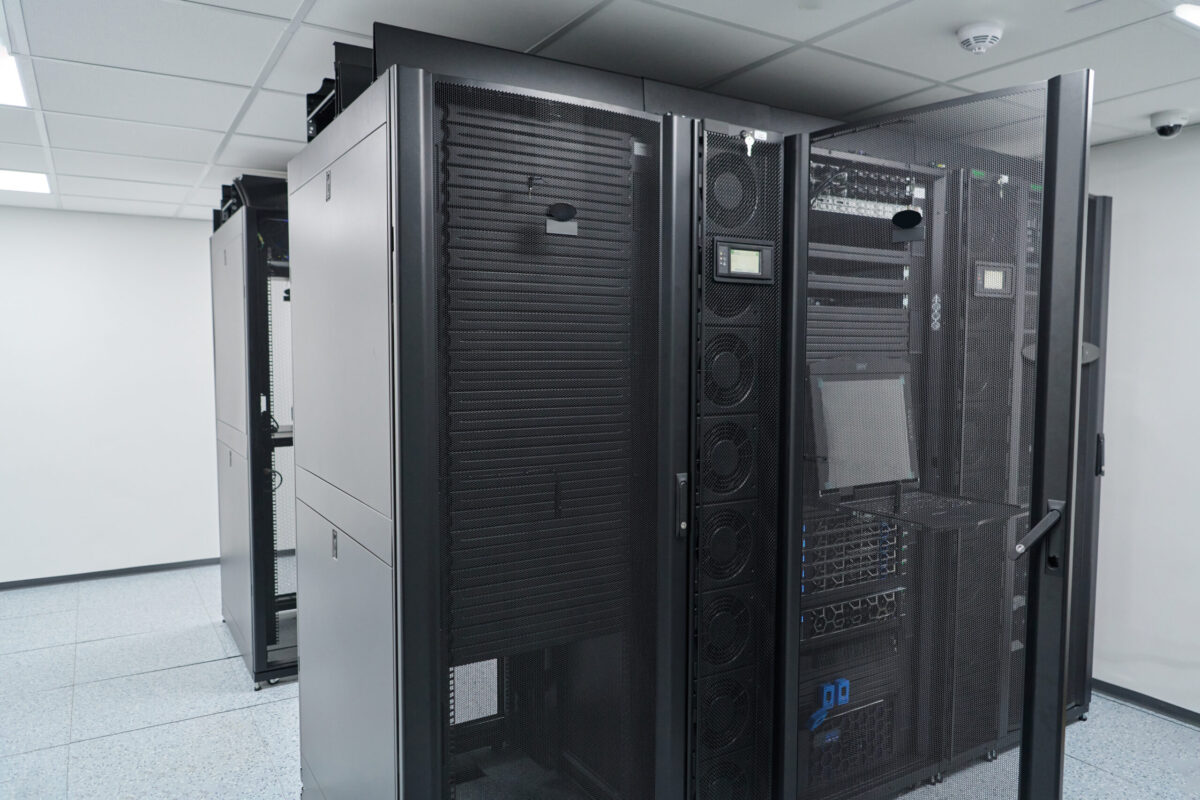
- CRAC and CRAH units: Computer room air conditioners and air handlers remain a backbone of many data halls, particularly for standard enterprise workloads under 15 kW per rack.
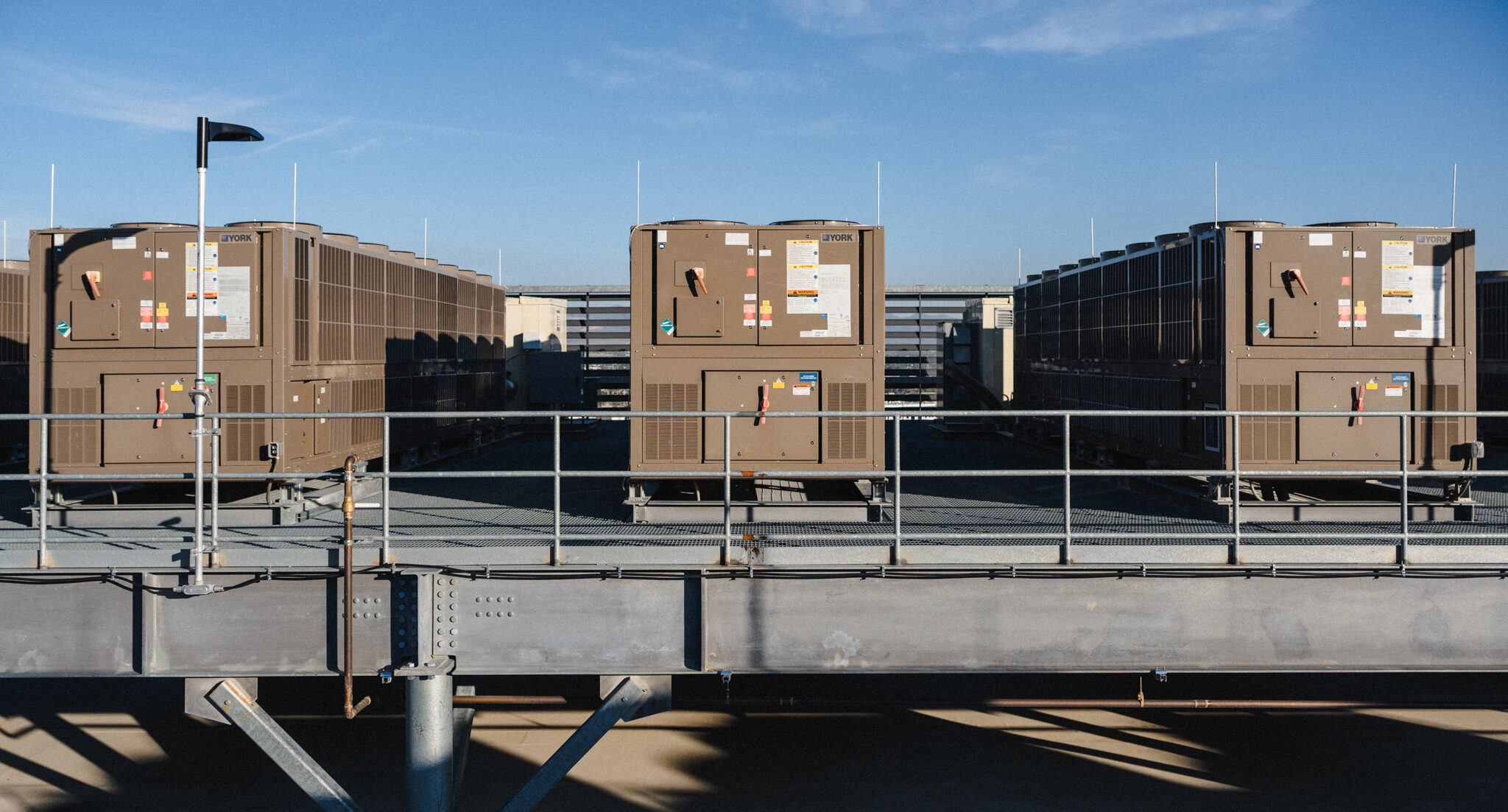
- Chilled water systems: A central chiller plant paired with CRAH units or air handlers offers strong efficiency at scale for larger facilities.
- Economization and free cooling: Using favorable outdoor air or water conditions to reduce or bypass mechanical cooling can significantly cut energy costs in the right climate.
- Rear door heat exchangers: Mounted directly on the rack, these support higher densities without requiring a full room redesign.
- In-row cooling: Placing cooling units within the row itself shortens the airflow path and improves consistency for moderate to high density deployments.
- Liquid and immersion cooling: Direct-to-chip and immersion systems are increasingly common for AI training clusters and other extreme density workloads.
Most modern facilities don’t rely on just one of these; they blend two or more depending on the density and criticality of different areas within the same building.
Comparing Data Center Cooling Solutions by Density

Different cooling systems make sense at different density levels. Here’s a general guide, showing how traditional air cooling compares to more advanced liquid based approaches.
| Cooling System | Typical Density Supported | Best Fit For |
| CRAC/CRAH with Air Distribution | Up to 10-15 kW per rack | Standard enterprise workloads |
| Chilled Water with Economization | 10-20 kW per rack | Larger facilities seeking efficiency at scale |
| Rear Door Heat Exchangers | 15-30 kW per rack | High density retrofits |
| Liquid or Immersion Cooling | 30 kW per rack and above | AI training clusters, HPC workloads |
Facilities increasingly design around a hybrid model, applying the right cooling intensity to each zone rather than over-engineering the entire building for the highest density racks it contains.
Choosing the Right Cooling Strategy for Your Facility
A few key factors should shape which combination of systems makes sense for a given facility.
- Current and projected rack density: Design for where your workloads are headed, not just where they are today.
- Local climate conditions: Economization and evaporative strategies perform very differently depending on regional temperature and humidity.
- Water availability: Facilities in water-restricted regions may need to weigh water-based cooling against dry or hybrid alternatives.
- Existing infrastructure: Retrofitting an existing chilled water plant is often more practical than a full system overhaul.
- Redundancy requirements: Mission critical facilities typically need N+1 or higher redundancy across whichever cooling systems they choose.
- Airflow containment: Properly separating hot air from cold air, whether through hot and cold air aisle containment or rack level sealing, improves the performance of almost any cooling system you choose.
We’re proud to serve business and facility owners in South Jordan, Utah, and nearby communities with data center cooling design, mechanical system upgrades, and equipment maintenance suited to the region’s growing tech and data center presence. South Jordan’s expanding commercial base makes proactive cooling planning especially valuable for facilities expecting to scale.
Frequently Asked Questions

Facility managers evaluating cooling strategy tend to ask a similar set of questions. Here are direct answers to the ones we hear most often.
What’s the most cost-effective data center cooling solution?
It depends on density and climate, but for standard enterprise workloads, chilled water systems paired with economization tend to offer the best long-term efficiency. Higher density workloads often justify the added cost of liquid or immersion cooling through better performance and space savings.
Do I need liquid cooling for my data center?
Not necessarily. Liquid cooling makes the most sense once rack densities exceed roughly 20 to 30 kW. Many facilities running standard enterprise workloads can continue relying on air-based cooling systems for the foreseeable future.
Can different cooling systems be combined in the same facility?
Yes, and this is increasingly the norm. Many data centers use a hybrid approach, applying air cooling to standard racks while reserving rear door heat exchangers, in-row cooling, or liquid cooling for the highest density equipment.
How often should data center cooling systems be serviced?
Most systems benefit from quarterly to semi-annual preventative maintenance, though mission critical facilities often follow more frequent schedules to reduce the risk of unplanned downtime.
How do I know if my current cooling solution is still adequate?
Rising inlet temperatures, thermal throttling, increasing energy costs, and inability to support new equipment deployments are all signs that it may be time to evaluate an upgrade.
Freedom Mechanical: Helping You Choose the Right Cooling Strategy
Selecting the right combination of data center cooling solutions takes an honest assessment of your current infrastructure, workload trajectory, and budget. Freedom Mechanical works across CRAC, CRAH, chilled water, rear door heat exchanger, and liquid cooling systems, giving our clients equipment specific recommendations rather than a one-size-fits-all answer. As a woman owned company built by skilled technicians, we bring both technical depth and straightforward communication to every project.
Whether you’re designing a new facility or evaluating an upgrade to support higher density workloads, our team can help you build a cooling strategy that fits. Contact our team to schedule a system evaluation for your facility.