Articles
CRAC Unit (Precision Cooling For Data Halls)
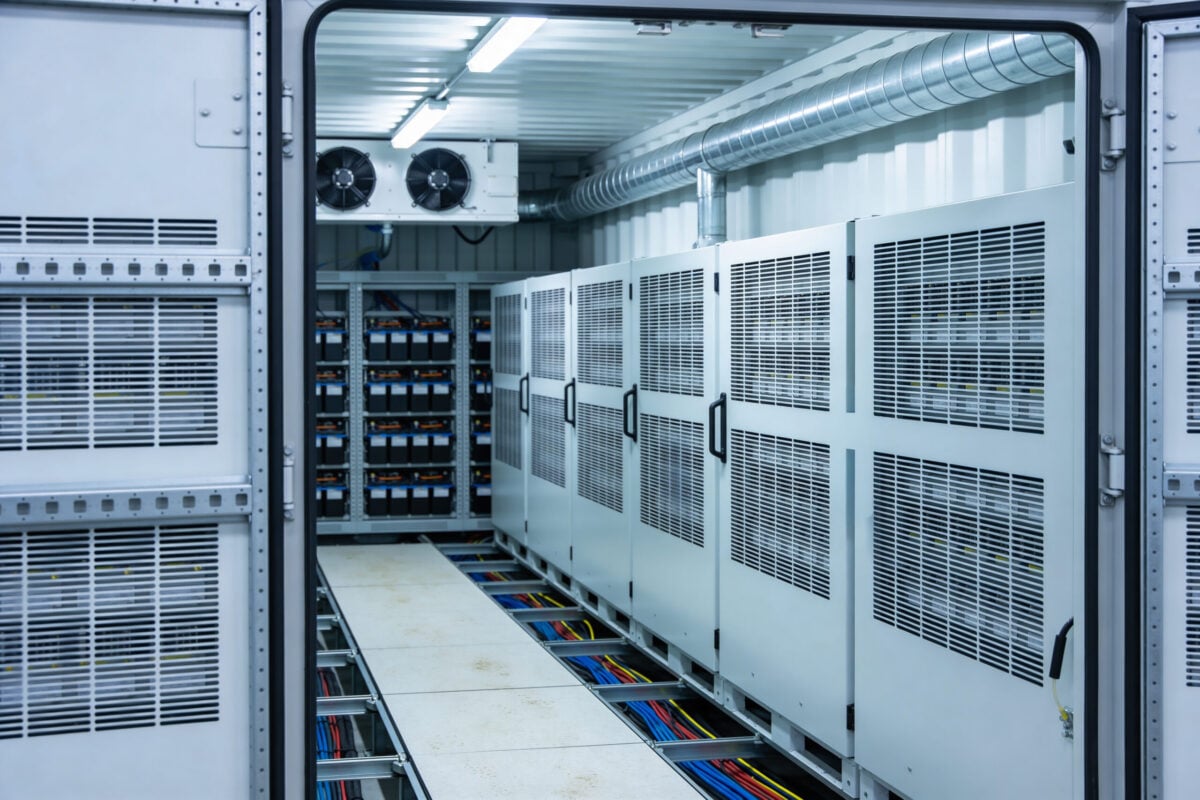
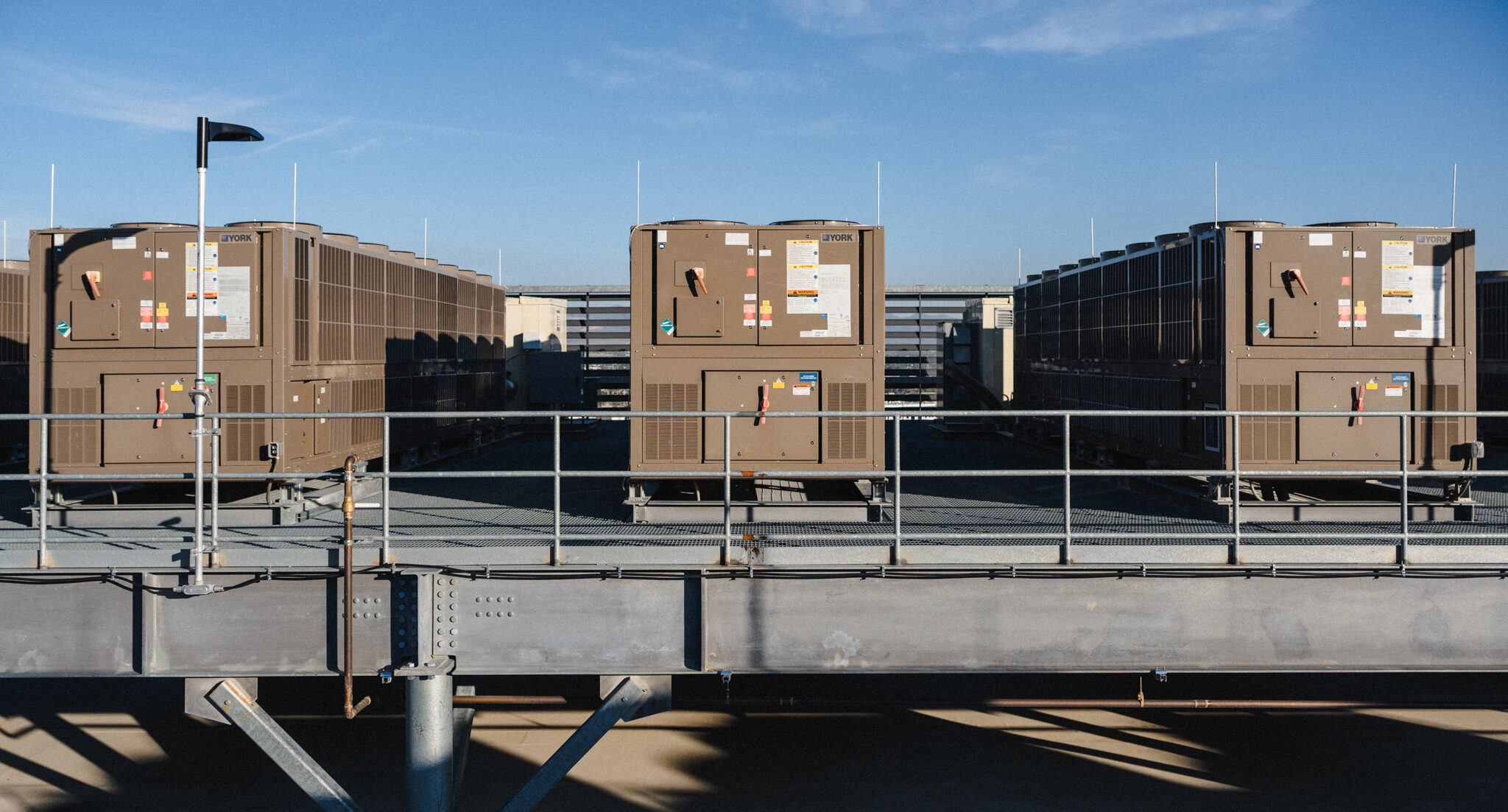
Keeping a data hall within a tight temperature and humidity range isn’t optional, it’s the foundation of uptime. That’s where a CRAC unit comes in. Short for computer room air conditioner, this equipment has been a backbone of data center cooling for decades, and understanding how it works, and where it fits alongside newer cooling technology, matters for anyone responsible for a mission critical facility. Freedom Mechanical services the data center cooling systems behind data halls across the region, and we’re breaking down exactly what a CRAC unit does and how to keep one running reliably.
In this guide, you’ll learn:
- What a CRAC unit is and how it cools a data hall
- How a CRAC unit differs from a CRAH unit
- 6 signs your CRAC units need attention
- Best practices for keeping CRAC equipment reliable
- Answers to the questions facility managers ask most often
What Is a CRAC Unit?

A CRAC unit, or computer room air conditioner, is a self-contained cooling system designed specifically to manage the temperature and humidity of a data hall. This category of computer room air conditioning is sometimes referred to as high precision air conditioning, since it holds much tighter temperature and humidity tolerances than standard commercial equipment. Unlike standard commercial air conditioning, a CRAC unit is built for continuous, 24/7 operation and precise environmental control, since even small temperature swings can affect server performance and reliability. Beyond data halls, CRAC units are also common in telecom switching stations and other mission critical spaces that run sensitive electronic equipment around the clock.
A typical CRAC unit includes its own compressor, condenser, cooling coil, and refrigerant loop, similar to a traditional air conditioning system, but engineered to handle the sustained heat loads and airflow requirements of a data hall. Most CRAC units pull warm air from the room, pass it across the cooling coil to produce cool air, and distribute it back through raised floor plenums, overhead ductwork, or direct discharge into a contained aisle. Because CRAC units draw from indoor ambient air rather than outdoor conditions, air distribution design within the room has a major impact on how evenly the space is cooled.
CRAC vs. CRAH: What’s the Difference?
CRAC units are often mentioned alongside CRAH units, or computer room air handlers, and the two are frequently confused, partly because both fall under the broader umbrella of precision hvac systems for data halls. If you’ve searched for room air conditioning CRAC options, it helps to understand exactly how the two technologies differ. Here’s how they compare.
| Feature | CRAC Unit | CRAH Unit |
| Cooling Source | Built-in refrigerant compressor | Chilled water supplied externally |
| Best Fit | Standalone facilities without a central chiller plant | Facilities with an existing chilled water system |
| Maintenance | Requires refrigerant and compressor service | Requires chilled water loop and coil maintenance |
| Energy Efficiency | Generally less efficient at scale | Often more efficient in large facilities |
Many larger data centers use CRAH units tied into a central chiller plant, while CRAC units remain common in smaller data halls, edge facilities, and sites without existing chilled water infrastructure.
6 Signs Your CRAC Units Need Attention

Cooling failures are one of the more preventable causes of data center downtime, and catching early warning signs matters. According to Uptime Institute’s Annual Outage Analysis 2024, cooling issues were cited as the primary cause behind 19 percent of the most recent impactful data center outages reported by surveyed operators, making CRAC reliability a genuine uptime issue, not just a comfort one.
- Inconsistent inlet temperatures: Uneven cooling across the data hall often points to airflow issues or a failing CRAC unit.
- Rising humidity levels: A CRAC unit struggling to dehumidify properly can indicate refrigerant issues or a failing coil.
- Unusual noise or vibration: New rattling, grinding, or excessive vibration usually signals a mechanical issue that needs prompt attention.
- Frequent short cycling: A unit turning on and off more often than normal often points to a control or refrigerant charge problem.
- Increasing energy consumption: A gradual rise in energy use for the same cooling output can indicate declining efficiency or a failing component.
- Age beyond 10 to 15 years: Older CRAC units become more prone to failure and less efficient compared to current equipment, making proactive replacement planning worthwhile.
Best Practices for CRAC Unit Reliability
A few consistent habits go a long way toward avoiding unplanned CRAC downtime and maintaining reliable temperature and humidity control.
- Schedule preventative maintenance: Regularly replacing air filters, cleaning coils, and checking refrigerant charge catches small issues before they become failures.
- Monitor inlet and outlet temperatures continuously: Real-time monitoring helps catch drift before it becomes a problem.
- Maintain proper airflow management: Hot and cold aisle containment helps CRAC units work more efficiently and reduces strain on the system.
- Keep spare parts on hand: Having critical components available on-site reduces downtime if a failure does occur.
- Plan for redundancy: N+1 or higher redundancy configurations help maintain cooling even if one CRAC unit needs service.
We’re proud to serve data center and facility owners in Eagle Mountain, Utah, and nearby communities with CRAC and CRAH service, preventative maintenance, and equipment upgrades built for mission critical environments. Eagle Mountain’s growing data center presence makes reliable, properly maintained cooling infrastructure especially important for the businesses operating there.
Frequently Asked Questions

Facility managers researching CRAC units tend to ask a similar set of questions. Here are direct answers to the ones we hear most often.
How long does a CRAC unit typically last?
With proper maintenance, a CRAC unit typically lasts 10 to 15 years, though usage patterns, run hours, and how consistently it receives service all affect actual lifespan.
Can a CRAC unit be repaired instead of replaced?
In many cases, yes. Compressor, coil, and control issues can often be repaired, especially in units under 10 years old. Once a unit approaches the end of its expected lifespan, replacement often becomes the more cost-effective option.
Is a CRAC unit or a CRAH unit better for a data center?
Neither is universally better. CRAC units make sense for facilities without a central chilled water plant, while CRAH units are typically more efficient in larger facilities that already have chilled water infrastructure in place.
How many CRAC units does a data hall need?
The right number depends on the heat load, room size, and desired redundancy level. Most mission critical facilities design around N+1 redundancy at minimum, meaning at least one additional unit beyond what’s needed to handle the full load.
What happens if a CRAC unit fails during operation?
In a properly designed facility, redundant units and airflow containment provide a buffer, but response time still matters. Prompt diagnosis and repair help minimize the risk of temperature excursions affecting IT equipment.
Freedom Mechanical: Keeping Your Data Hall Cooling Reliable
CRAC units are a critical piece of data hall infrastructure, and keeping them running reliably takes more than a reactive approach. Freedom Mechanical services CRAC and CRAH systems across commercial and mission critical facilities, giving our clients honest, equipment specific recommendations rather than a one-size-fits-all answer. As a woman owned company built by skilled technicians, we bring both technical depth and straightforward communication to every project.
Whether you need routine CRAC maintenance or are evaluating a replacement strategy, our team can help you keep your data hall running without interruption. Contact our team to schedule a system evaluation for your facility.