Articles
Data Center Design (9 Scalable, Mission Critical Planning Pillars)
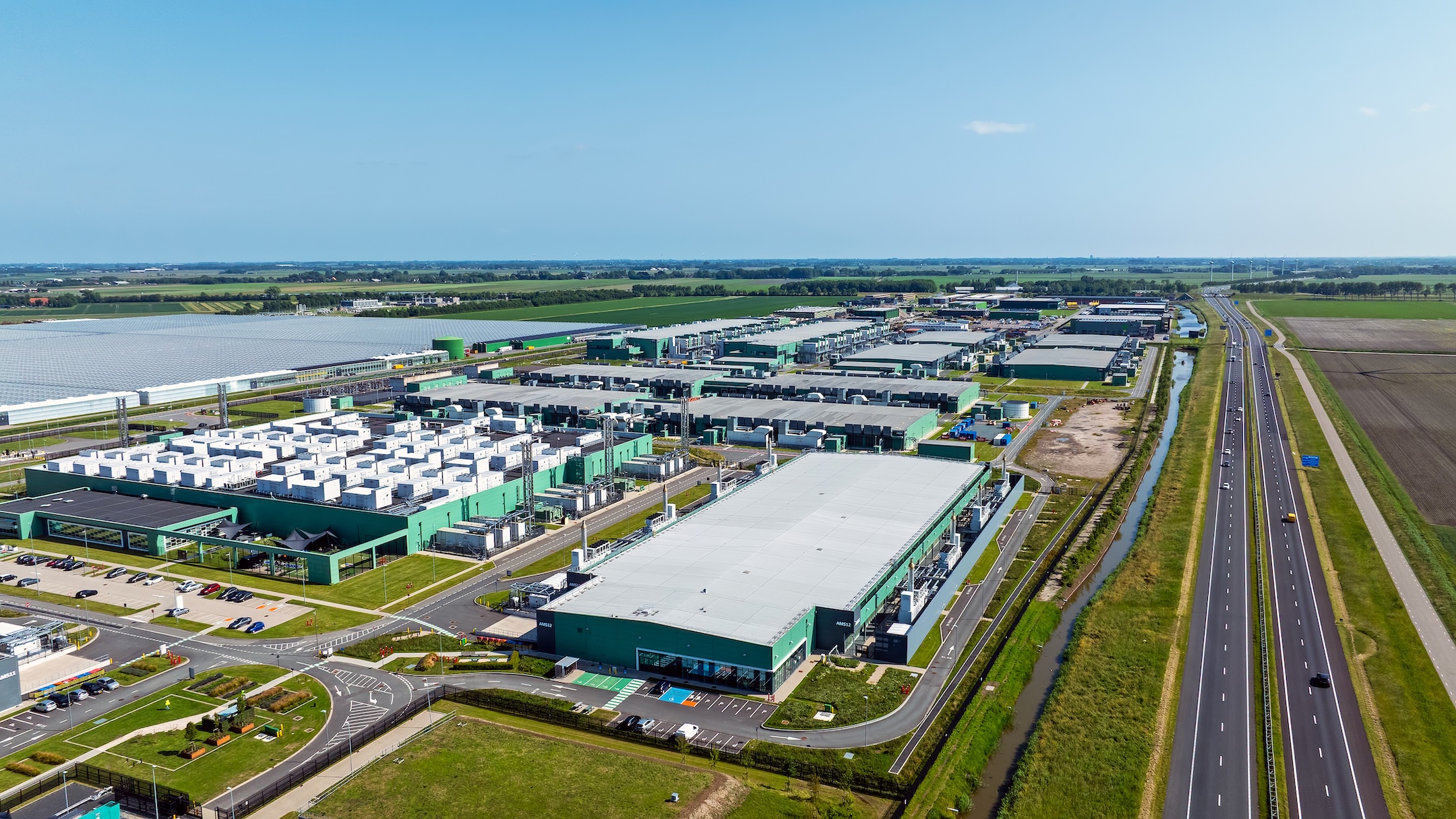
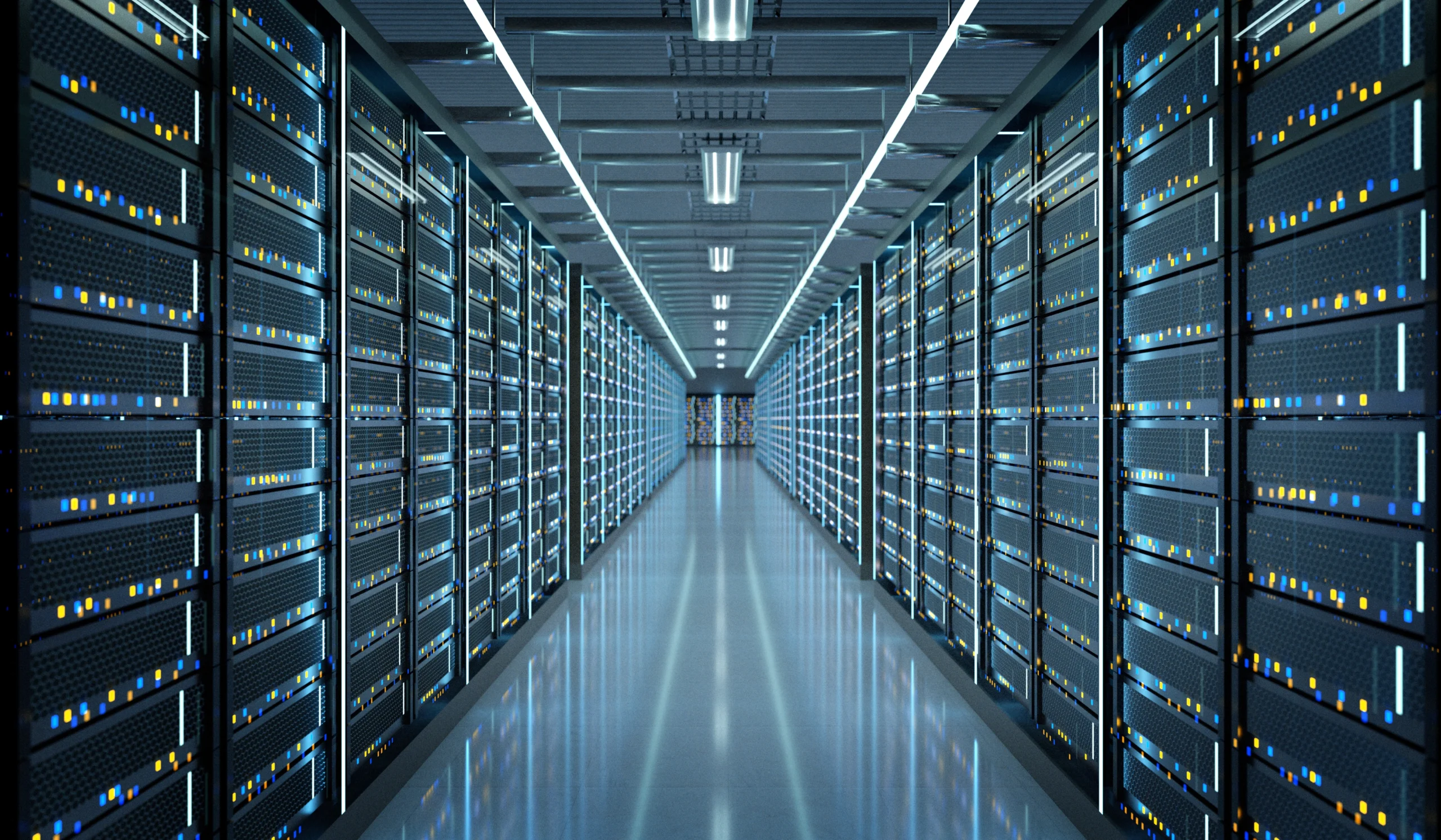
Data center design defines how mechanical, electrical, structural, and network systems are engineered to support long-term stability and continuous operation. Effective data center design is crucial for supporting the computational and storage needs of modern businesses and ensuring the seamless operation of IT services. In mission-critical environments, design decisions directly impact cooling performance, power reliability, redundancy capability, and future growth readiness.
Modern data center infrastructure must integrate multiple systems into a unified operational framework capable of adapting to rising density demands.
- Mechanical coordination across hybrid cooling systems
- Structured power infrastructure planning
- Rack density forecasting and airflow containment
- Automation-driven efficiency optimization
- Building structure reinforcement for high-density equipment
Facilities engineered with these principles protect sensitive data and maintain continuous operation as computational demand increases.
Cooling Systems In Modern Data Center Design
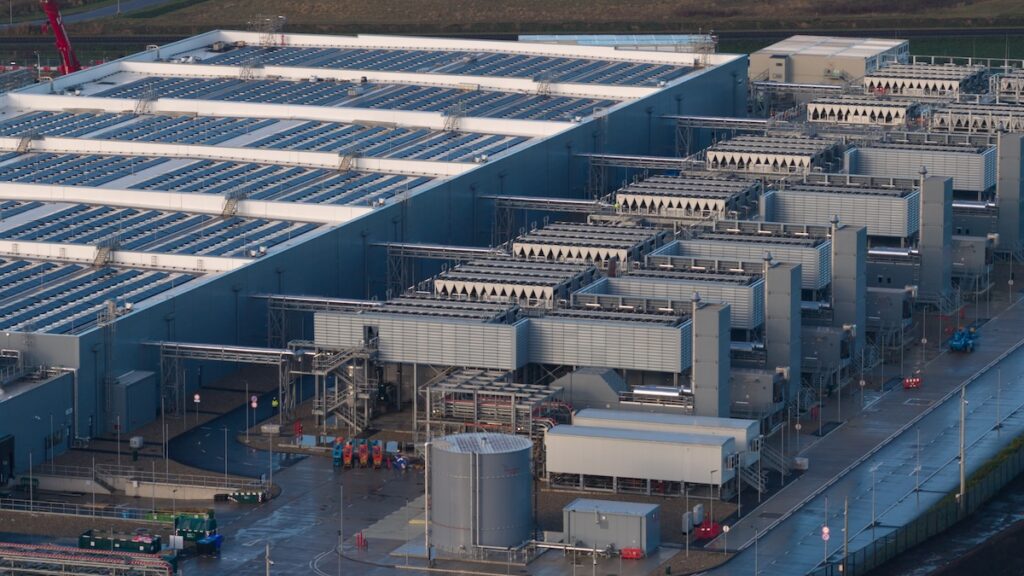
Cooling strategy has become the defining constraint in effective data center design. Massive AI and machine learning workloads increase the heat generated by modern high-density racks, so cooling systems are needed to prevent equipment damage that can shorten hardware lifespan and ensure optimal performance. As rack density increases, mechanical infrastructure must evolve beyond conventional airflow-only approaches.
Common cooling methods include:
- Air cooling using rack-mounted fans, containment systems, and air conditioning units
- Liquid cooling that circulates chilled water to absorb heat more effectively
- Direct-to-chip liquid cooling delivering dielectric fluid or water directly to server silicon
- Liquid immersion cooling, an emerging approach that uses a dielectric liquid to cool components directly for denser deployments and improved processing power without water-contact risk
Direct-to-chip systems are rapidly transitioning from experimental deployments to industry-standard solutions in high-performance environments. Modern compute density is also shifting from traditional 5-10 kW racks to 80+ kW AI racks, which is why advanced power and cooling planning is now essential for optimal performance.
Facilities are increasingly located in cooler climates to leverage natural free-cooling and reduce mechanical strain. Automation software continuously adapts data center conditions to minimize energy overhead by adjusting cooling units in real time.
Cooling systems must be engineered for sustained high thermal output while preserving scalability.
Types Of Data Centers And Infrastructure Variation
Infrastructure requirements vary depending on operational model and ownership structure.
- Enterprise data centers are owned by a single organization and support internal IT infrastructure and applications
- Cloud data centers provide cloud services, including storage and computing, to various customers and are typically owned by cloud service providers
- Colocation data centers support multiple businesses that place their servers and networking equipment within shared infrastructure
- Hyperscale data centers are large facilities built to handle immense data processing needs, often used by major cloud or tech providers
- Edge data centers are smaller data centers located near end users to support edge computing and reduce latency
Cloud environments emphasize distributed workload management across multiple data centers. High-density computing and modular infrastructure choices also influence how these facility types scale over time. Enterprise facilities prioritize governance and direct oversight of data storage and infrastructure assets. Regardless of model, coordinated data center infrastructure planning remains essential for long-term reliability.
Location, Renewable Energy, And Fiber Infrastructure
Location plays a strategic role in data center performance and infrastructure resilience. Site selection is a primary concern because location affects business continuity, available utility capacity, and long-term resilience. Facilities are increasingly positioned:
- In cooler climates to enable natural free-cooling
- In regions saturated with renewable energy sources
- Near robust fiber infrastructure for stable network access
Sites also need sufficient grid power for projected power consumption, from several megawatts in smaller facilities to more than 100MW in hyperscale environments. Data centers are transitioning from massive power consumers to active participants in the local energy grid. Grid-interactive strategies allow facilities to support renewable integration and load balancing. Location planning must align climate, power sourcing, fiber density, building structure stability, and low-risk siting for natural disasters among the key considerations.
Scalability And Flexibility Planning
Scalability protects long-term operational viability. Infrastructure must expand without disrupting continuous operation or introducing mechanical imbalance, so planning must leave enough space, power, and cooling capacity to accommodate future growth.
Effective scalability planning includes:
- Modular expansion of cooling units
- Expandable power distribution units
- Flexible rack zoning strategies
- Structured routing of data cables to preserve airflow
Scalable modules can also support rapid deployment of added capacity in mere months without interrupting operations. Facilities engineered for future growth avoid costly retrofits and preserve infrastructure balance as workloads increase.
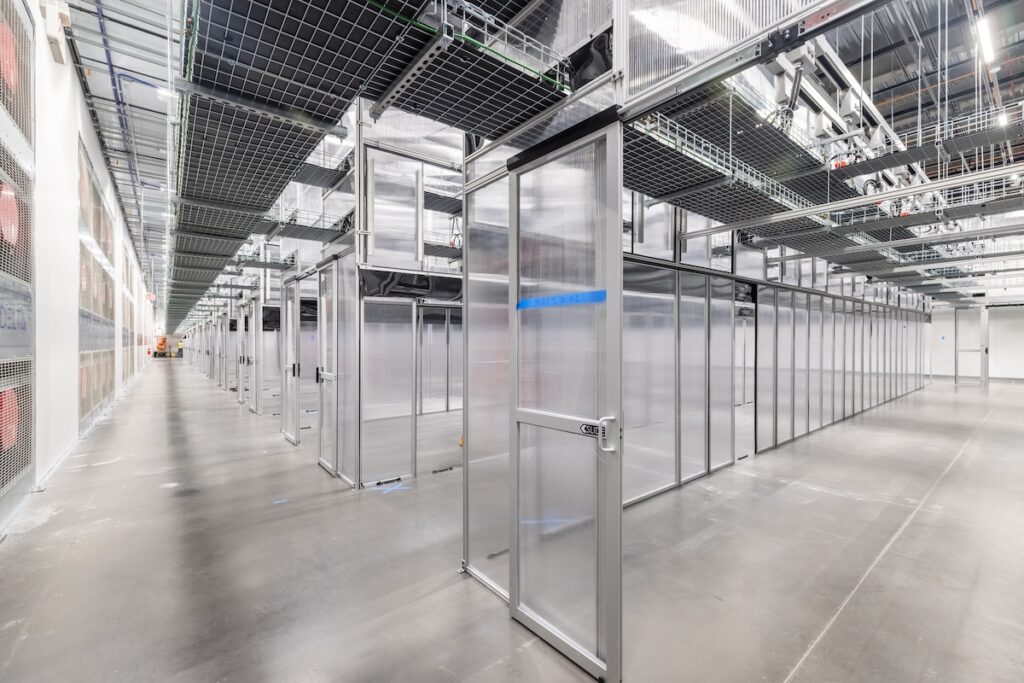
9 Scalable, Mission Critical Planning Pillars
These nine pillars define effective data center design in mission-critical environments.
1. Cooling Capacity Modeling
Cooling systems must anticipate AI-driven density growth and sustained high thermal output. Mechanical planning should project future expansion rather than respond to reactive constraints.
- Heat load forecasting: Projects GPU and compute expansion
- Hybrid cooling integration: Aligns air and liquid cooling systems
- Chiller scalability planning: Supports phased mechanical growth
2. Power Supply Architecture
Power infrastructure must sustain continuous operation under peak load while maintaining redundancy.
- Redundant distribution pathways: Eliminate single points of failure
- Dual-feed routing: Strengthen electrical resilience
- Backup systems integration: Protect against utility disruption
3. Rack Density Strategy
Rack layout planning directly influences airflow performance and service accessibility. Density must align with mechanical capacity limits.
- Density mapping: Coordinate rack placement with cooling supply
- Service clearance planning: Preserve maintenance access
- Cable routing discipline: Protect airflow efficiency
4. Airflow And Containment Engineering
Containment design preserves thermal separation between exhaust and intake air, and efficient layouts help reduce mixing between hot exhaust and cold intake streams to improve cooling efficiency and the internal environment. Without engineered airflow control, cooling efficiency declines rapidly.
- Hot aisle segregation: Direct exhaust away from intake
- Cold aisle optimization: Ensure conditioned air delivery
- Recirculation prevention: Reduce cooling waste
5. Redundancy And Failover Planning
Mission-critical environments eliminate single points of failure across both mechanical and electrical systems.
- N+1 configuration: Provide excess system capacity
- Redundant cooling loops: Maintain operational stability
- Automated failover protocols: Minimize downtime risk
6. Infrastructure Monitoring And Automation
Automation software, including management systems and data center infrastructure management, enhances facility visibility, control, operational precision, and energy efficiency.
- DCIM integration: Centralize facility visibility
- Thermal sensor deployment: Detect emerging hot spots
- Dynamic load adjustment: Minimize energy overhead
Artificial intelligence can process real-time thermodynamic sensor feeds to adjust individual server fan speeds and damper openings, while machine learning models track localized power fluctuations to identify hardware anomalies before an asset failure triggers an outage.
Operators also track power usage effectiveness, Carbon Usage Effectiveness (CUE), and Water Usage Effectiveness (WUE) to improve operational efficiency.
7. Energy Efficiency Engineering
Energy optimization reduces operational cost and environmental impact, and energy engineering aims to lower power usage effectiveness for greener operation while managing power consumption. According to the International Energy Agency, electricity demand from data centres soared by 17% in 2025, with AI-focused data centres growing even faster — making energy efficiency optimization one of the most financially and operationally significant priorities in mission-critical facility design.
- Variable-speed mechanical systems: Match output to demand
- Optimized chiller sequencing: Improve part-load efficiency
- Grid-interactive coordination: Support renewable participation
On-site renewable generation can also be paired with advanced energy storage systems and dedicated solar or wind procurement through Power Purchase Agreements (PPAs) to improve resilience, support power independence, and reduce environmental impact.
8. Security And Sensitive Data Protection
Infrastructure must safeguard both physical systems and sensitive data, making physical security a core part of protecting sensitive data and data center equipment from physical threats and security threats.
- Controlled facility access: Restrict unauthorized entry with access control systems as standard protection, supported by video surveillance and security cameras
- Grounding integration: Ensure electrical safety to protect equipment
- Structured cable management: Protect network integrity
Entry should be tightly controlled with measures such as biometric checks or anti-tailgating controls, and lockable server racks can add another layer of protection for critical systems.
9. Serviceability And Long-Term Maintenance
Long-term reliability depends on structured maintenance planning and accessible infrastructure. In practice, data center architecture and planning for a well designed data center rely on design standards that support reliability, efficiency, and security.
- Clear mechanical access pathways: Enable preventative service
- Isolated maintenance zones: Protect uptime
- Compliance verification planning: Maintain regulatory alignment
Facilities designed around these pillars sustain continuous operation while supporting future growth. These standards also shape physical layout, energy efficiency, environmental compliance, and service planning throughout the construction process and long-term operations.
Conclusion Data Centers Require Mechanical Precision
Conclusion data center construction and building data centers now demand the same integrated approach, combining mechanical precision with scalable delivery models so facilities can support long-term operational stability. Operators are also leaning toward factory-built, standardized modules, with complex data halls, power blocks, cooling skids, and contained it equipment assembled off-site to cut waste and accelerate deployment, while networking infrastructure is coordinated for faster expansion. Developers increasingly retrofit industrial warehouses, and with embodied carbon under tighter scrutiny, hyperscalers are specifying recycled steel and low-carbon concrete in line with sustainability frameworks promoted by the US green building council. As AI density increases and infrastructure demands grow, mechanical coordination becomes the defining factor in performance reliability.
Freedom Mechanical supports mission-critical facilities by aligning advanced cooling systems with scalable infrastructure strategy, protecting uptime and enabling future growth while meeting modern high-density power and cooling requirements.