Articles
Data Center Infrastructure (Critical Systems Explained)
Data center infrastructure refers to the interconnected mechanical, electrical, structural, and monitoring systems that support computing environments. While servers process data, infrastructure ensures those systems remain powered, cooled, secured, and operational without interruption. In hyperscale facilities, enterprise deployments, cloud data centers, and remote locations, infrastructure planning directly impacts uptime, energy efficiency, and long-term scalability.
The evolution of computing infrastructure has led to distributed computing models, where data and applications operate across multiple systems connected by network infrastructure. This integrated operational environment requires tightly coordinated power and cooling systems to support continuous data center operations.
- Mechanical system coordination: Supports cooling equipment, airflow containment, and thermal management.
- Electrical reliability planning: Ensures stable power supply delivery and structured redundancy.
- Rack and layout integration: Aligns server rack cabinets with containment strategy and airflow planning.
- Operational scalability: Allows expansion without compromising performance stability.
Without disciplined infrastructure design, even advanced IT equipment and storage systems cannot operate reliably.
Core Components Of Data Center Infrastructure
Modern facilities rely on layered systems that function together to support continuous data center operations. These data center components extend beyond servers and networking gear and form the backbone of mission-critical performance.
- Cooling systems: Chillers, CRAC units, in-row cooling, and containment strategies that dissipate heat from high-density rack servers.
- Electrical distribution: Utility feeds, switchgear, UPS systems, backup generators, and structured power supply networks.
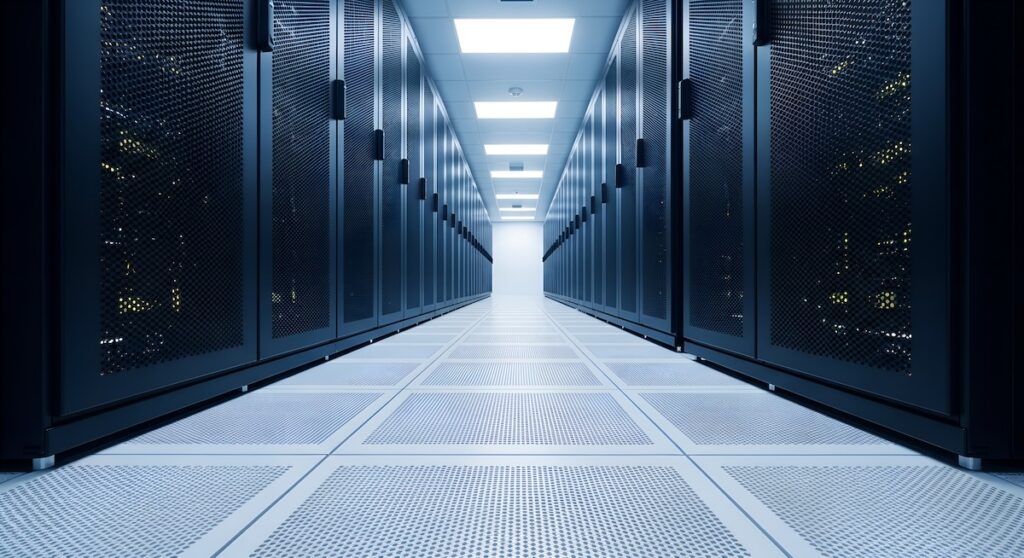
- Rack infrastructure: Server rack cabinets, enclosed racks, cable management systems, and structured aisle layouts.
- Monitoring systems: Environmental sensors and DCIM platforms tracking temperature, humidity, and energy usage.
- Physical security systems: Controlled access systems protecting sensitive data and facility assets.
Together, these key components enable stable operations across enterprise and cloud data centers.
Types Of Data Centers And Infrastructure Variation
Infrastructure requirements vary depending on facility type and operational objectives. Each model requires tailored coordination of power and cooling, storage systems, and network infrastructure.
- Enterprise data centers: Operated by single organizations to process data internally.
- Colocation facilities: Shared environments hosting equipment for multiple tenants.
- Hyperscale facilities: Large-scale environments supporting distributed computing and high-density workloads.
- Edge deployments: Smaller facilities located closer to users or remote locations to reduce latency.
- Cloud data centers: Operated by cloud providers to deliver scalable cloud computing services on demand.
Cloud computing has introduced flexibility, scalability, and cost efficiency, allowing organizations to leverage virtualized resources instead of maintaining all physical infrastructure on-site. Many enterprises now rely on multiple data centers operating together to improve resilience and geographic redundancy.
6 Critical Systems Within Data Center Infrastructure
Infrastructure stability depends on coordinated systems working together. These six layers directly influence uptime protection and performance reliability.
1. Cooling Infrastructure
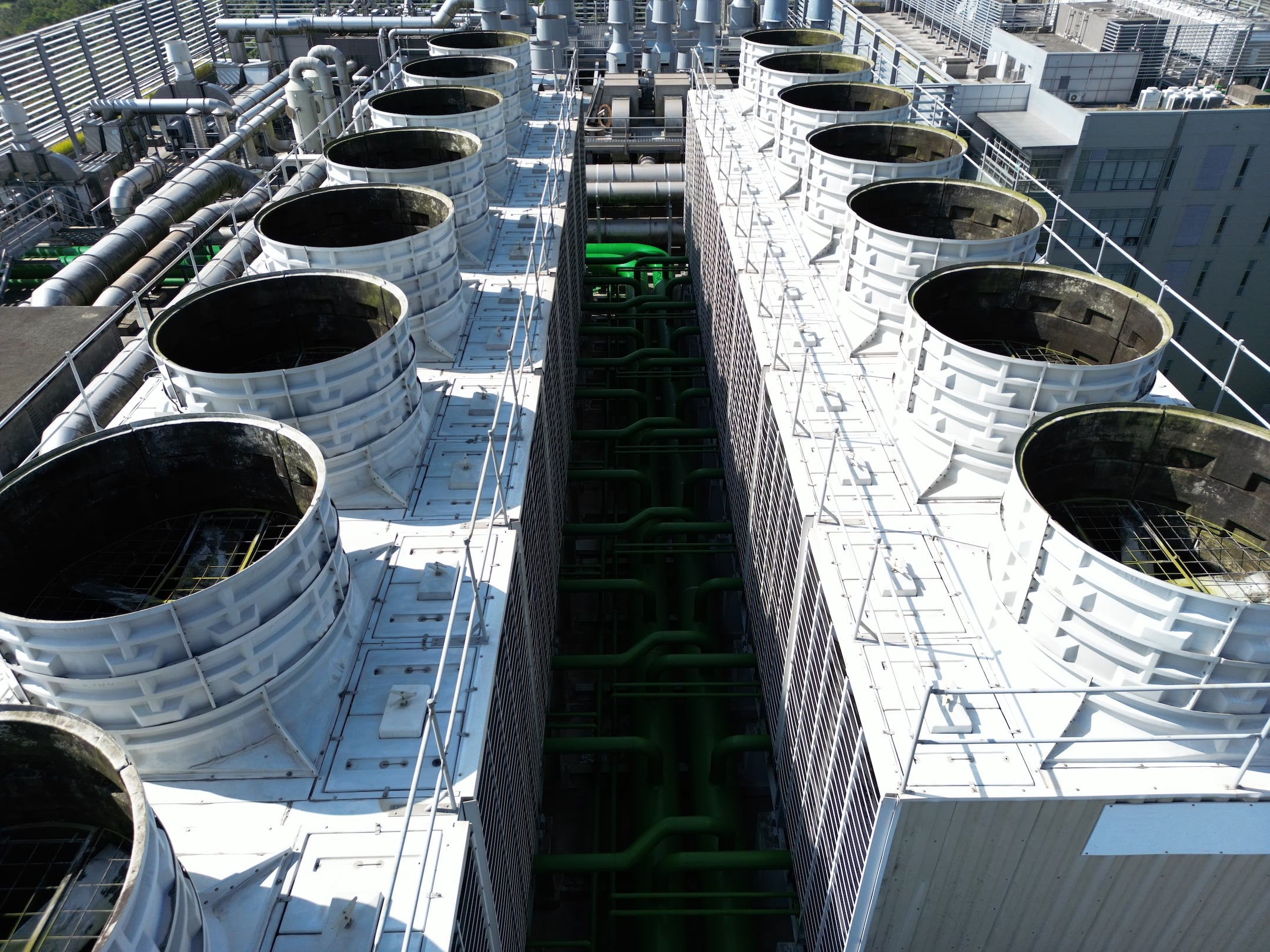
Thermal management remains central to infrastructure design. High-density racks generate significant heat that must be dissipated continuously to maintain proper airflow and prevent equipment throttling. According to the U.S. Department of Energy, data centers are one of the most energy-intensive building types, consuming 10 to 50 times the energy per floor space of a typical commercial office building — making cooling infrastructure the most consequential mechanical system in any data center design.
- Chiller systems: Provide centralized cooling capacity for hyperscale and cloud environments.
- Airflow containment: Separates hot and cold air streams to improve efficiency.
- Precision cooling units: Maintain stable environmental tolerances within a server room.
Effective cooling is one of the most important data center components supporting long-term reliability.
2. Electrical Power Systems
Reliable power supply delivery is non-negotiable. Infrastructure must protect against outages while supporting increasing rack density and storage systems.
- Uninterruptible power supply systems: Provide short-term backup during utility disruption.
- Generator integration: Supports long-duration outage protection.
- Structured power distribution: Aligns rack-level demand with centralized supply.
Implementing redundancy and failover systems ensures availability by duplicating critical components and creating automated failover protocols that mitigate downtime risks.
3. Rack And Layout Engineering
Physical organization directly influences airflow efficiency and service accessibility. Poor rack alignment can undermine both cooling and electrical systems.
- Density planning: Determines how many servers can operate safely within available cooling capacity.
- Containment alignment: Supports proper airflow separation.
- Service accessibility: Provides easy access to equipment without disrupting airflow.
Stacking servers efficiently within structured rack space allows organizations to optimize performance without sacrificing more space within the facility footprint.
4. Monitoring And DCIM Platforms
Operational visibility is essential in modern environments. DCIM tools provide a unified view of both IT and facility components, allowing real-time monitoring and management of data center operations.
- Thermal mapping: Visualizes real-time temperature and humidity status.
- Power tracking: Monitors equipment status and power consumption.
- Cooling workload visibility: Tracks air conditioning workloads across the facility.
DCIM tools help data center operators monitor network infrastructure, power and cooling performance, and storage systems from a centralized platform, enhancing operational efficiency.
5. Redundancy Architecture
Redundancy planning reduces the risk of single-point failures and strengthens business continuity.
- N+1 configurations: Provide additional capacity beyond required load.
- Dual power feeds: Reduce reliance on single circuits.
- Redundant cooling loops: Maintain stability during maintenance events.
Structured redundancy supports uptime across enterprise facilities and multiple data centers operating in parallel.
6. Infrastructure Scalability Planning
Infrastructure must support long-term growth. As organizations expand cloud computing services and distributed environments, cooling and electrical systems must scale accordingly.
- Modular deployment models: Enable phased expansion.
- Capacity forecasting: Aligns projected growth with mechanical capability.
- Integrated planning: Ensures cooling systems scale with increasing rack density.
Scalability protects capital investment and long-term operational reliability.
Infrastructure Evolution In Modern Facilities
The evolution of computing infrastructure has reshaped facility design. Distributed computing allows data and applications to operate across interconnected systems linked by network infrastructure, creating a more integrated operational environment. This shift has increased demand for resilient power and cooling systems capable of supporting dynamic workloads.
Cloud computing and virtualization have reduced reliance on single-site physical deployments, allowing organizations to balance workloads across multiple data centers. Infrastructure must now support rapid workload migration, storage replication, and scalable capacity adjustments without compromising stability.
Energy Efficiency And Performance Optimization
Optimizing energy efficiency in data centers significantly reduces operational costs and environmental impact. Techniques such as server consolidation, cooling improvements, and load management contribute to lower energy consumption without reducing performance.
- Optimized airflow management: Maintains proper airflow and reduces cooling strain.
- Variable-speed mechanical equipment: Adjusts output based on real-time demand.
- Efficient chiller operation: Improves performance under partial load conditions.
- Load balancing strategies: Prevents overprovisioning and energy waste.
Energy-efficient design strengthens long-term infrastructure sustainability.
Infrastructure Management And Long-Term Stability
Regular maintenance and timely upgrades are essential for sustaining data center performance and reliability. Infrastructure management involves routine inspections, servicing of equipment, and proactive replacement planning to prevent unexpected failures.
- Preventative maintenance programs: Protect cooling and electrical systems from drift.
- Load trend analysis: Identifies evolving demand patterns.
- Redundancy validation testing: Confirms failover systems perform as intended.
- Grounding system verification: Ensures grounding wires and grounding points maintain electrical safety.
Disciplined management protects key components and supports consistent data center operations.
Data Center Security And Physical Protection
Security is a foundational aspect of infrastructure design. Key elements of data center security include robust access controls to prevent unauthorized entry, advanced threat detection systems to monitor and mitigate cyberattacks, and encryption methods to secure sensitive data both in transit and at rest.
Physical security measures must align with mechanical and electrical infrastructure to ensure comprehensive protection across storage systems, network infrastructure, and facility-level equipment.
Common Questions About Data Center Infrastructure
Understanding infrastructure helps organizations make informed decisions about reliability and scalability.
What are the key components of data center infrastructure?
Key components include cooling systems, electrical distribution, rack infrastructure, monitoring tools, security systems, and network infrastructure.
How does cloud computing change infrastructure design?
Cloud computing reduces reliance on single-site physical infrastructure while increasing demand for scalable, resilient systems across multiple data centers.
Why is energy efficiency important?
Improving energy efficiency lowers operational costs, reduces environmental impact, and extends equipment lifespan.
How does redundancy improve reliability?
Redundancy duplicates critical systems and creates automated failover pathways, reducing downtime risk.

Align Infrastructure With Mechanical Performance
In mission-critical environments, infrastructure stability depends heavily on cooling coordination and disciplined power and cooling alignment. As rack density increases and organizations process more data across cloud data centers and enterprise environments, mechanical systems must scale accordingly. Freedom Mechanical supports complex commercial facilities by aligning cooling infrastructure with operational requirements, protecting uptime and long-term reliability.