
Articles
VRF System (Energy-Efficient Cooling For Critical Sites)
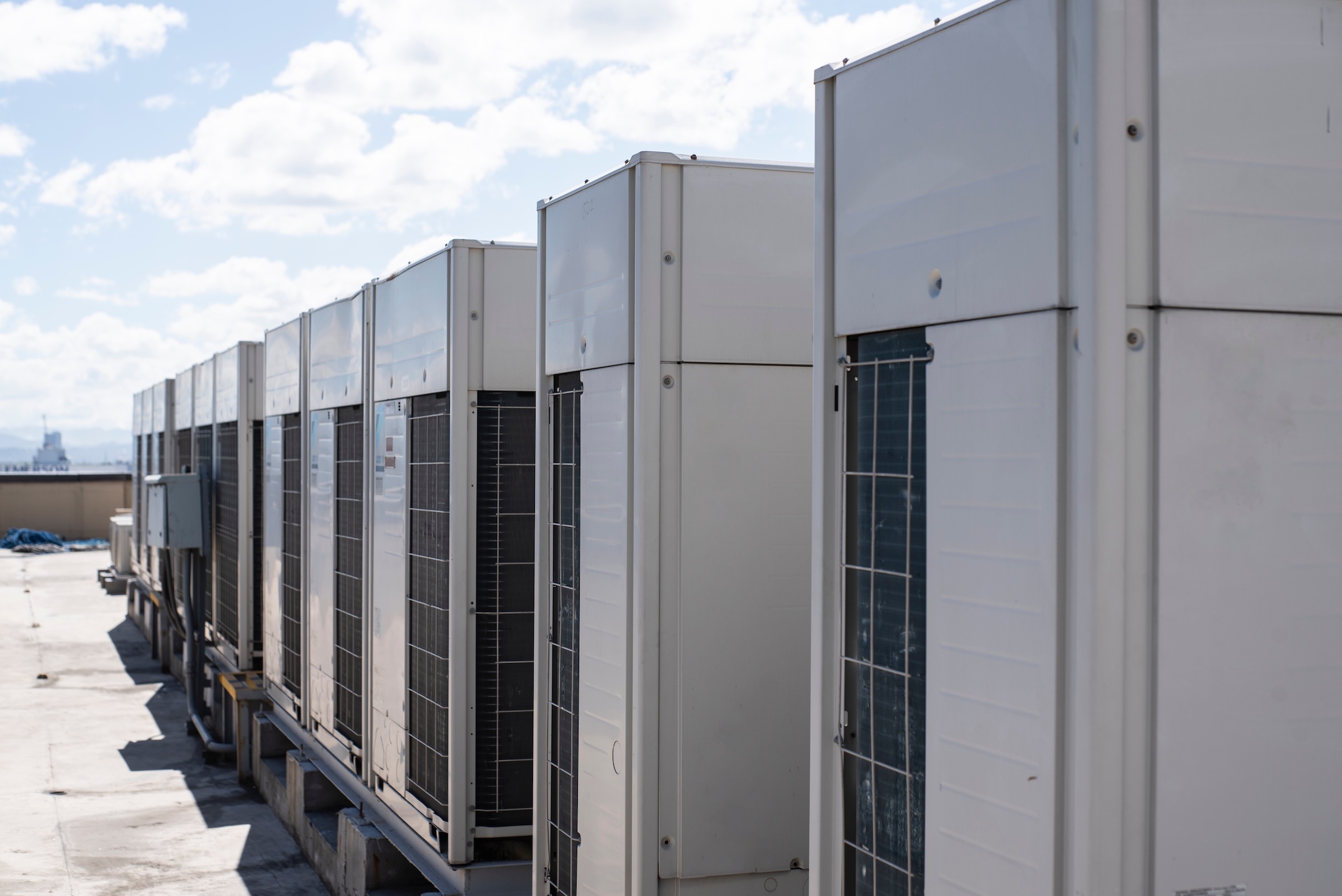
A VRF system is one of the most adaptable and energy-efficient cooling solutions available for modern commercial facilities. In 2026, variable refrigerant flow technology plays a major role in multi-zone buildings, institutional campuses, and mission-critical support environments where precise temperature control and scalable infrastructure are required.
Unlike a traditional air conditioning system that operates at fixed capacity, a VRF system continuously adjusts refrigerant flow to match real-time demand. This allows facilities to maintain stable heating and cooling performance while minimizing energy waste and mechanical strain.
- Variable compressor modulation: Adjusts output dynamically to match real-time load demand, reducing unnecessary energy consumption and extending equipment lifespan.
- Precise temperature control: Maintains stable indoor conditions across independent zones without overcooling adjacent areas.
- Multiple indoor units: Supports numerous indoor fan coil units connected to a centralized outdoor system, enabling multi-zone flexibility.
- Scalable system architecture: Allows phased expansion without full mechanical system replacement.
For facilities prioritizing operational efficiency and long-term reliability, VRF systems offer measurable advantages over conventional HVAC platforms.
Why VRF Systems Are Expanding In Commercial Facilities
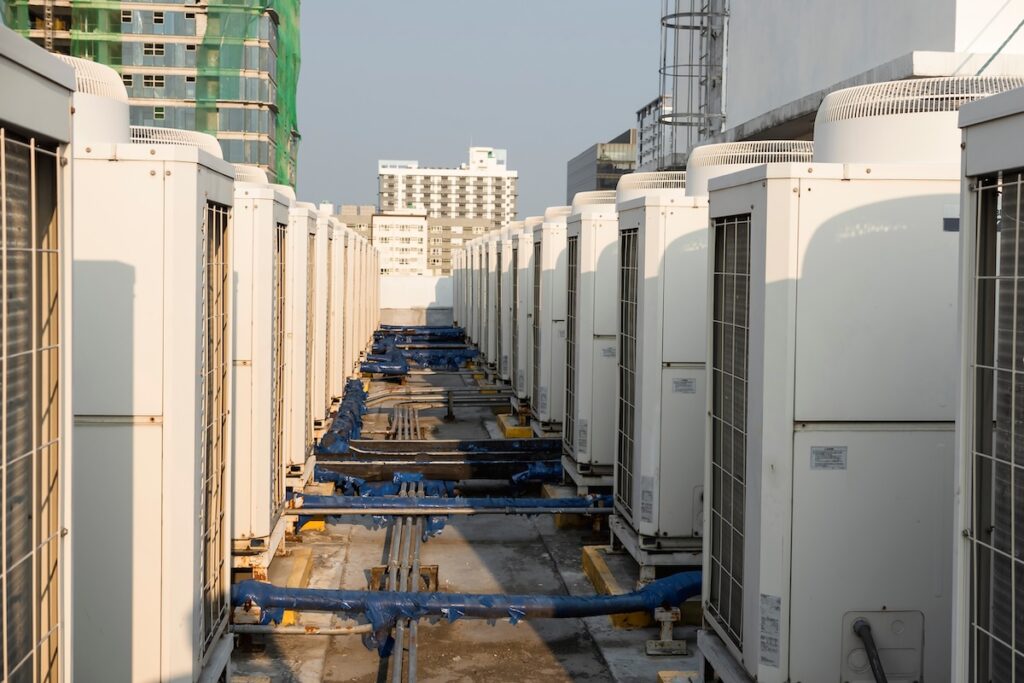
Modern commercial buildings experience fluctuating occupancy patterns, equipment loads, and seasonal climate shifts. Traditional HVAC systems often struggle to respond efficiently to partial-load conditions. A VRF system addresses this challenge by modulating refrigerant volume instead of cycling at full capacity. Inverter-driven compressors ramp gradually to maintain setpoints, improving energy efficiency and reducing mechanical stress.
According to the U.S. Department of Energy, VRF systems can significantly reduce energy usage compared to other incumbent HVAC technologies — driving increased adoption across commercial, institutional, and multifamily buildings seeking long-term efficiency improvements. VRF systems can also be integrated with traditional HVAC systems to create hybrid solutions. Advanced centralized control platforms manage both VRF and conventional systems together, ensuring coordinated heating and cooling performance while optimizing overall energy use.
Benefits Of A VRF System
Beyond energy efficiency, VRF systems provide structural and operational advantages that support modern commercial facilities.
- Part-load efficiency: VRF systems continuously adjust compressor speed to match real-time cooling demand. Instead of operating at full capacity during low-load periods, the system reduces output, lowering energy consumption and minimizing mechanical strain during off-peak hours.
- Zoned heating and cooling: Each indoor unit operates independently, allowing precise temperature control in offices, conference rooms, and tenant spaces while preventing energy waste in unoccupied areas.
- Reduced ductwork requirements: Refrigerant piping replaces large air distribution systems, freeing ceiling space and simplifying installation in retrofit or expansion projects.
- Hybrid system compatibility: VRF systems can operate alongside chiller systems or traditional air conditioning systems. Advanced centralized control strategies ensure both systems function efficiently without operational conflict.
- Flexible installation configuration: Additional indoor units can be incorporated as building layouts evolve, supporting long-term adaptability without overhauling the core infrastructure.
5 Ways VRF Delivers Energy-Efficient Cooling For Critical Sites
VRF systems are designed to provide measurable efficiency improvements in commercial and mission-critical environments. Their ability to modulate capacity, distribute refrigerant precisely, and integrate with centralized controls makes them a strong solution for facilities where performance stability and energy management matter.
1. Variable-Speed Compressor Modulation
Unlike traditional fixed-capacity systems, VRF systems continuously adjust compressor speed to match real-time load demand. This prevents excessive energy consumption during partial-load conditions, which represent the majority of operating hours in most commercial buildings.
- Load-based output adjustment: Matches cooling delivery to actual demand instead of cycling at full capacity.
- Reduced mechanical stress: Minimizes on-off cycling that increases wear and inefficiency.
- Lower energy consumption: Improves overall system performance during off-peak operation.
2. Zoned Temperature Precision
Critical sites rarely operate with uniform thermal loads. VRF systems allow individual indoor units to operate independently, ensuring precise temperature control across multiple zones.
- Independent indoor unit control: Prevents overcooling unoccupied or low-load areas.
- Targeted conditioning: Delivers cooling only where required.
- Improved occupant comfort stability: Maintains consistent environmental conditions.
3. Heat Recovery Capability
In three-pipe configurations, VRF systems function as heat recovery systems, allowing simultaneous heating and cooling across different zones. Instead of rejecting excess heat outdoors, energy can be redistributed internally.
- Energy reuse between zones: Transfers rejected heat to areas requiring heating.
- Reduced overall energy waste: Improves system-wide efficiency.
- Balanced thermal management: Supports diverse load profiles within a single facility.
4. Hybrid Integration With Traditional Systems
VRF systems can integrate with traditional HVAC or chiller-based systems to form hybrid cooling strategies. Advanced centralized control platforms coordinate system operation to prevent overlap and inefficiency.
- Centralized control coordination: Manages multiple systems through unified oversight.
- Optimized equipment sequencing: Prevents redundant energy consumption.
- Flexible infrastructure compatibility: Enhances efficiency without full system replacement.
5. Part-Load Efficiency In Real-World Operation
Commercial facilities rarely operate at peak load continuously. VRF systems are engineered for high efficiency during partial-load conditions, which is where most energy savings occur.
- Inverter-driven compressor technology: Maintains stable operation under fluctuating demand.
- Lower operating costs: Reduces long-term energy expenditure.
- Sustained performance stability: Supports consistent cooling in critical environments.
When properly designed and maintained, VRF systems deliver energy-efficient cooling performance that aligns with the operational demands of commercial facilities and mission-critical support spaces.
VRF vs VRV: Understanding The Difference
VRF and VRV systems are functionally the same technology. The difference lies in manufacturer terminology rather than mechanical capability.
- VRF (Variable Refrigerant Flow): The industry-standard term used by most manufacturers to describe systems that modulate refrigerant flow based on real-time demand.
- VRV (Variable Refrigerant Volume): A trademarked term originally introduced by Daikin to describe the same variable refrigerant technology.
From a mechanical standpoint:
- Both systems use inverter-driven compressors to regulate refrigerant flow.
- Both support multi-zone configurations with multiple indoor units.
- Both improve part-load efficiency compared to fixed-capacity systems.
- Both provide precise temperature control across independent zones.
The distinction is branding, not system performance.
VRF System Configurations: Two-Pipe vs Three-Pipe
VRF systems can be configured in different piping arrangements depending on building requirements.
- Two-pipe systems: Commonly configured as heat pump systems, allowing all connected indoor units to operate in either heating or cooling mode at the same time. These systems are efficient in buildings where seasonal demands are consistent across zones.
- Three-pipe systems: Also known as heat recovery systems, these allow simultaneous heating and cooling in different areas. Heat removed from one zone can be transferred to another zone requiring heating, significantly improving overall energy efficiency.
Heat recovery systems provide greater flexibility in buildings with diverse load profiles, though they involve more complex installation and commissioning.
Heat Pump Systems In VRF Applications
Most VRF installations utilize heat pump systems, enabling efficient seasonal switching between heating and cooling modes. Standard heat pump configurations require all indoor units to operate in the same mode at a given time.
When facilities require simultaneous heating and cooling across different zones, three-pipe heat recovery systems offer expanded performance by redistributing thermal energy internally rather than rejecting it outdoors. Selecting the appropriate configuration depends on building layout, load diversity, and operational goals.
Initial Cost Considerations
While VRF systems deliver long-term efficiency benefits, initial equipment and installation costs are generally higher than conventional split systems or rooftop HVAC units. Contributing factors include:
- Refrigerant piping complexity
- Advanced control integration
- Specialized commissioning requirements
- System programming and calibration
However, lifecycle energy savings and reduced mechanical wear often offset the higher upfront investment over time.
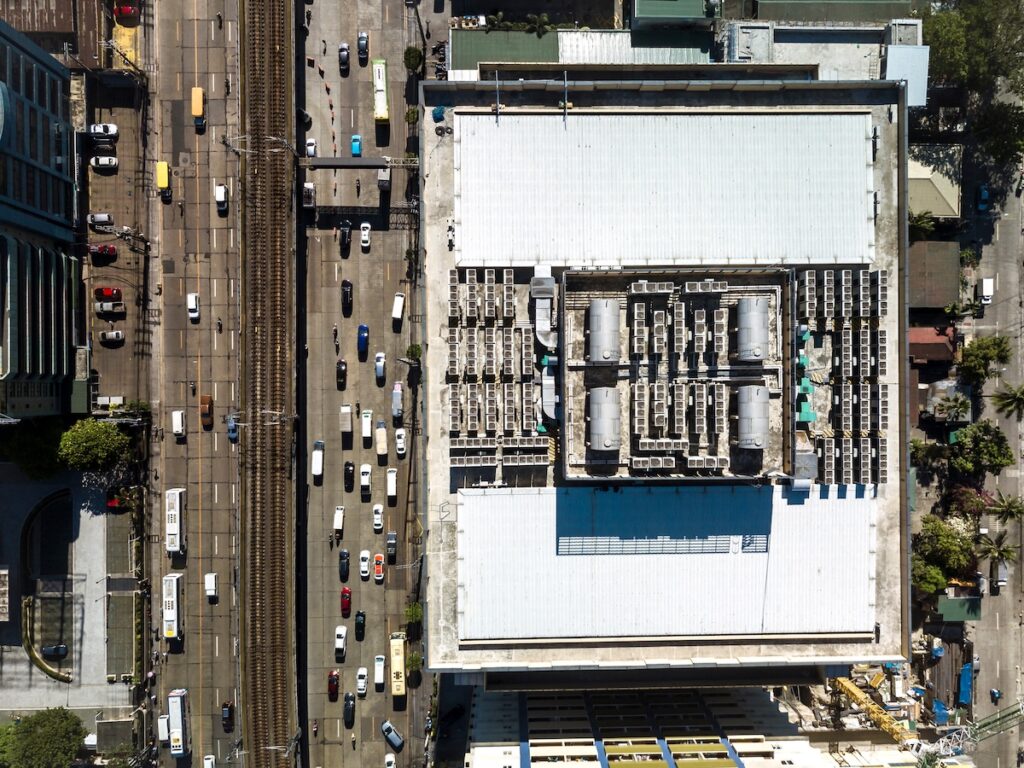
Where VRF Systems Perform Best
VRF systems are highly effective in facilities requiring zoning flexibility and moderate-to-high cooling performance. Their ability to adapt to fluctuating loads makes them ideal for commercial environments where occupancy and usage patterns vary throughout the day.
Office And Multi-Tenant Commercial Buildings
Office buildings often contain a mix of private offices, shared workspaces, conference rooms, and tenant suites with different heating and cooling demands. VRF systems allow these zones to operate independently without overconditioning the entire facility.
- Independent zone control allows tenants to manage customized indoor environments.
- Centralized control systems provide real-time monitoring of system performance.
- Energy modulation reduces waste during low-occupancy periods.
Healthcare And Institutional Facilities
Administrative healthcare buildings and educational campuses require stable indoor environments while managing operational efficiency across multiple zones. VRF systems provide consistent performance without excessive energy consumption.
- Stable environmental control supports occupant comfort.
- Quiet operation enhances working conditions.
- Modular expansion capability supports phased campus growth.
Data Center Administrative Areas
Primary server rooms rely on chillers and precision cooling systems. However, adjacent administrative spaces benefit from VRF efficiency.
Separating mission-critical cooling from comfort-based zones improves overall energy management and reduces strain on central chiller infrastructure.
VRF Systems vs Chillers vs Rooftop Units
| System Type | Best Application | Limitation |
| VRF System | Multi-zone commercial facilities | Not intended for extremely high-density server cooling |
| Chiller Systems | Mission-critical, high-capacity cooling | Greater infrastructure complexity |
| Rooftop Units | Large open commercial spaces | Limited zoning precision |
VRF systems complement chiller plants by efficiently managing comfort zones and administrative areas within complex facilities.
Long-Term VRF Maintenance Considerations
Energy-efficient systems still require disciplined preventative maintenance.
- Refrigerant charge verification: Ensures proper system performance and prevents efficiency loss.
- Electrical inspection: Identifies inverter or control irregularities.
- Centralized control calibration: Maintains accurate communication between indoor and outdoor units.
- Coil cleaning and airflow testing: Preserves heat transfer efficiency and system stability.
Without structured maintenance, refrigerant leaks or control faults can reduce performance over time.
Common Questions About VRF Systems
Facility managers evaluating VRF technology often seek clarity on integration, cost, and system configuration.
Can VRF systems work alongside traditional HVAC?
Yes. VRF systems can integrate with traditional HVAC systems to create hybrid solutions. Advanced centralized control platforms coordinate both systems to optimize heating and cooling performance.
What is the difference between heat pumps and heat recovery VRF systems?
Heat pump systems allow all indoor units to operate in either heating or cooling mode simultaneously. Heat recovery systems use three-pipe configurations to allow simultaneous heating and cooling in different zones.
Are VRF systems more expensive to install?
Initial installation costs are typically higher than conventional air conditioning systems due to refrigerant piping complexity and advanced control requirements. Long-term energy savings often offset these costs.
How many indoor units can a VRF system support?
VRF systems are designed to support multiple indoor units connected to a centralized outdoor system, allowing flexible zoning across large commercial facilities.
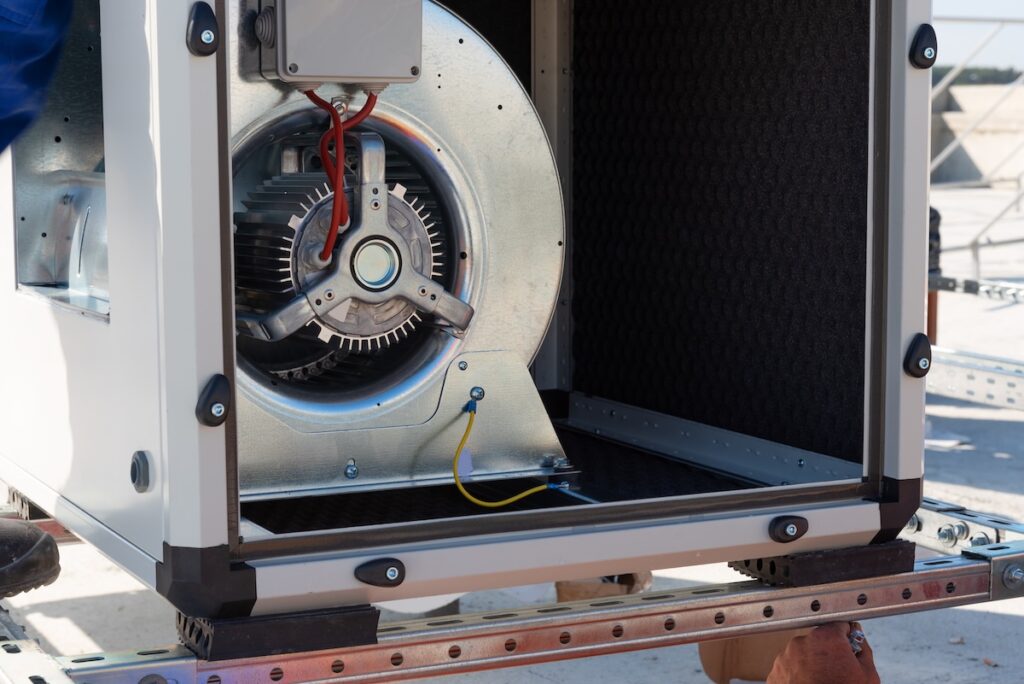
Trust Freedom Mechanical For Advanced VRF System Expertise
Implementing a VRF system requires disciplined engineering, precise installation, and structured preventative maintenance. Freedom Mechanical supports commercial facilities with VRF installation, hybrid system integration, centralized control optimization, and long-term service planning. If your organization is evaluating energy-efficient heating and cooling upgrades or integrating VRF alongside chiller systems, contact Freedom Mechanical to ensure stable performance and long-term mechanical reliability.